Data Backup Solutions for SMBs A Comprehensive Guide
📖 5 min read
🔥 Quick Link: Check Best Seller Prices
View "Data Backup Solutions for SMBs" on Amazon →In today's digital landscape, data is the lifeblood of every business, especially for Small and Medium-sized Businesses (SMBs). From customer records and financial statements to intellectual property and marketing strategies, data drives decision-making, fuels innovation, and supports business operations. However, this reliance on data also makes SMBs incredibly vulnerable to data loss, whether it's due to hardware failures, cyberattacks, natural disasters, or human error. The consequences of such loss can be catastrophic, leading to significant financial setbacks, reputational damage, and even business closure. Therefore, implementing robust data backup solutions is not just a matter of best practice; it's a critical necessity for ensuring business continuity and long-term success.
1. Understanding the Importance of Data Backup for SMBs
Data backup refers to the process of creating copies of your important files and storing them in a separate location, ensuring that you can recover your data in the event of a loss. For SMBs, the importance of data backup cannot be overstated. Beyond the immediate disruption of data loss, there are often significant financial implications, including lost revenue, recovery costs, and potential legal liabilities. Moreover, data breaches can damage a company's reputation and erode customer trust, making it harder to attract and retain clients. By having a solid data backup strategy, SMBs can minimize downtime, protect their valuable assets, and maintain a competitive edge.
Consider a small accounting firm that relies heavily on its client database. If a ransomware attack encrypts all their data and demands a ransom payment, without a backup, they face the agonizing choice of paying the ransom or losing their entire client base. Paying the ransom doesn't guarantee data recovery and could encourage further attacks. On the other hand, a recent study shows that businesses that experience a significant data loss have a 60% chance of going out of business within six months. A robust backup system allows them to quickly restore their data from a secure location, avoiding both financial loss and reputational harm.
Therefore, investing in a comprehensive data backup solution is not just about safeguarding data; it's about ensuring the long-term viability and resilience of the business. It provides peace of mind knowing that, regardless of unforeseen circumstances, the company can quickly recover and continue operations. This proactive approach demonstrates a commitment to risk management and customer protection, reinforcing trust and confidence in the business.
2. Types of Data Backup Solutions
Choosing the right data backup solution is a critical decision for SMBs, as different solutions offer varying levels of protection, scalability, and cost. Understanding the different types of backup solutions available is essential for making an informed choice that aligns with the business's specific needs and budget. Let's examine some popular options that are out there.
- On-Premise Backup: This involves storing backup data on-site, typically on external hard drives, network-attached storage (NAS) devices, or tape drives. While it offers quick data recovery and direct control over the data, on-premise backup can be vulnerable to physical disasters like fires or floods, making it essential to also have an offsite backup. Additionally, managing and maintaining on-premise backup infrastructure can be resource-intensive for SMBs without dedicated IT staff, requiring regular maintenance, monitoring, and troubleshooting.
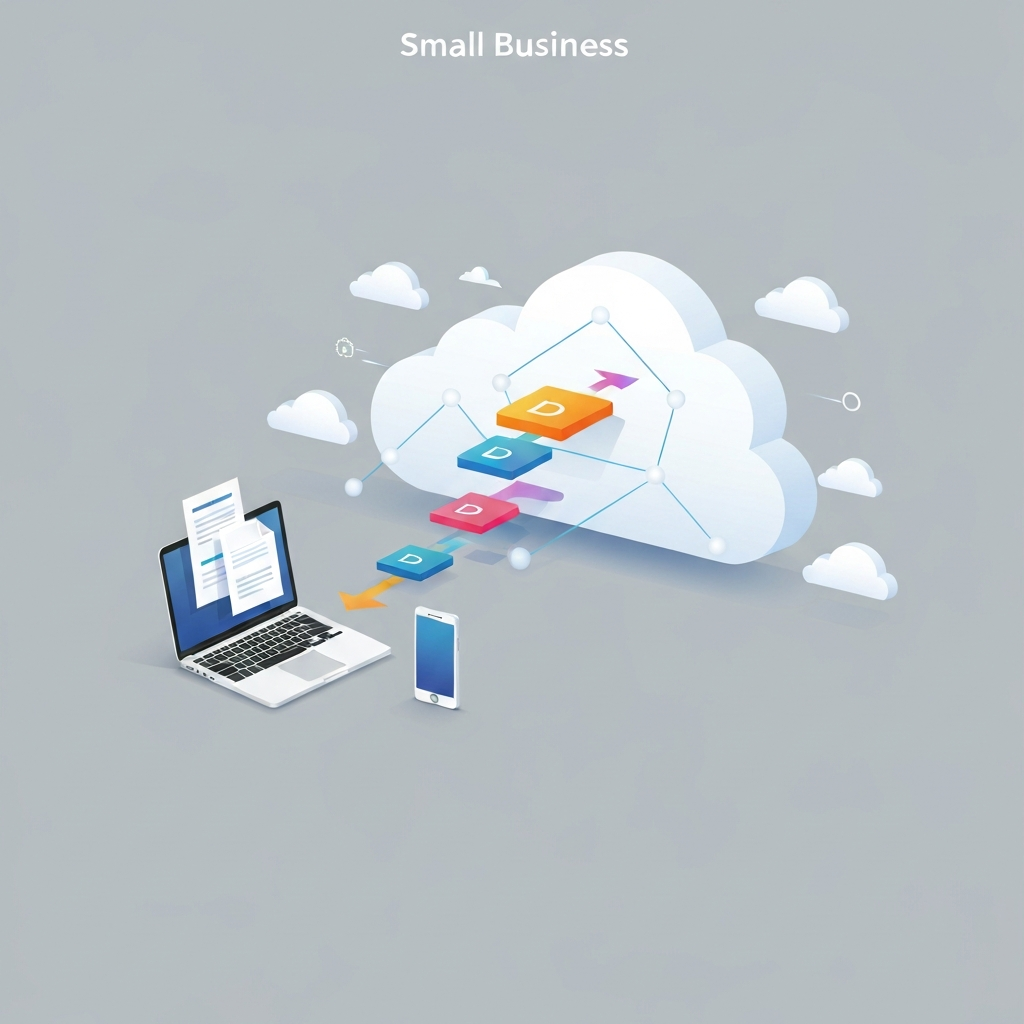
- Cloud Backup: Cloud backup solutions involve storing data on remote servers managed by a third-party provider. This offers automatic backups, offsite storage, and scalability, but it relies on a stable internet connection. Cloud backup services often provide advanced features like encryption, version control, and automated scheduling, making them an appealing option for SMBs. However, factors such as data security, compliance requirements, and vendor reliability must be considered.
- Hybrid Backup: This combines on-premise and cloud backup, offering the best of both worlds. Critical data can be backed up locally for quick recovery, while less frequently accessed data can be stored in the cloud for long-term archiving and disaster recovery. Hybrid backup offers flexibility and resilience, allowing SMBs to tailor their backup strategy to their specific needs and budget. Implementing a hybrid strategy requires careful planning and coordination to ensure seamless integration and data consistency between on-premise and cloud environments.
3. Best Practices for Data Backup and Recovery
Regularly test your backup and recovery procedures to ensure they work as expected. A backup is only as good as your ability to restore data when needed.
Having a data backup solution in place is only half the battle. To ensure that your data is truly protected, it's essential to follow best practices for data backup and recovery. This includes establishing clear policies, implementing robust security measures, and regularly testing your backup and recovery procedures. These practices will help to minimize the risk of data loss and ensure business continuity in the event of a disaster.
One critical aspect of data backup is implementing the 3-2-1 rule: Keep at least three copies of your data, store the copies on two different media, and keep one backup copy offsite. This strategy provides multiple layers of protection against various data loss scenarios. Another key practice is to automate your backups as much as possible to reduce the risk of human error and ensure that backups are performed consistently. Regular monitoring of backup logs and reports is also important to identify and address any issues proactively.
By following these best practices, SMBs can significantly improve their data resilience and minimize the impact of data loss. It demonstrates a proactive approach to risk management and reinforces trust and confidence in the business. Investing in data backup and recovery is not just about protecting data; it's about protecting the future of the business.
Conclusion
Data backup is no longer optional; it's a critical necessity for SMBs seeking to thrive in today's data-driven world. By understanding the importance of data backup, exploring different solutions, and following best practices, SMBs can protect their valuable assets, minimize downtime, and maintain a competitive edge. Implementing a robust data backup strategy demonstrates a commitment to risk management, customer protection, and long-term business success.
The future of data backup is likely to see even greater adoption of cloud-based solutions, driven by their scalability, affordability, and ease of use. AI-powered backup tools will also become more prevalent, automating backup processes and predicting potential data loss events. Staying informed about the latest trends and technologies in data backup will be crucial for SMBs to maintain optimal data protection and business continuity.
❓ Frequently Asked Questions (FAQ)
How often should I back up my data?
The frequency of data backups depends on the rate at which your data changes and the tolerance for data loss. For businesses with constantly changing data, such as transaction records or real-time data feeds, daily or even hourly backups may be necessary. For less frequently changing data, weekly or monthly backups may suffice. It's essential to assess your data criticality and establish a backup schedule that meets your specific needs.
What is the 3-2-1 backup rule?
The 3-2-1 backup rule is a widely recognized best practice for data protection. It advises keeping at least three copies of your data, storing the copies on two different media (e.g., hard drive and cloud storage), and keeping one backup copy offsite. This ensures that if one backup fails, you still have other copies available. The offsite copy protects against physical disasters such as fires or floods that could damage on-site backups.
How do I test my data backup and recovery process?
Testing your data backup and recovery process involves simulating a data loss scenario and attempting to restore your data from the backup copies. This should be done regularly to ensure that the backup process is working correctly and that you can successfully recover your data in a timely manner. Document the steps involved in the recovery process and track the time it takes to complete the restoration. This allows you to fine-tune the recovery procedures and identify any potential issues before a real disaster occurs.
Tags: #DataBackup #SMB #BusinessContinuity #DataSecurity #CloudBackup #TechTips #ITSolutions
⚠️ LEGAL DISCLAIMER
For Informational Purposes Only: All content provided by GGG PICK is for general informational purposes only. This content is not intended to serve as a substitute for official professional advice, technical diagnosis, or legal counsel.
Disclaimer of Warranty: While we strive to maintain the currency and accuracy of information, we do not guarantee the completeness, reliability, or real-time accuracy of the provided data. Any decisions and actions taken based on the information from this website are solely at the user's own risk.
Note: Always consult with a certified professional before making significant business or technical decisions. GGG PICK shall not be held liable for any direct or indirect loss or damage resulting from the use of this website.