Selecting the Right Cloud Provider A Comprehensive Guide
📖 5 min read
🔥 Quick Link: Check Best Seller Prices
View "Selecting the Right Cloud Provider" on Amazon →In today's rapidly evolving digital landscape, cloud computing has become an indispensable component for businesses of all sizes. It offers unparalleled scalability, cost-effectiveness, and accessibility, enabling organizations to innovate faster and respond more effectively to market demands. However, the sheer number of cloud providers and the complexity of their offerings can make choosing the right one a daunting task. This comprehensive guide will walk you through the essential considerations, helping you navigate the cloud landscape and select a provider that perfectly aligns with your unique business requirements and long-term goals. Understanding the nuances of each provider is critical to ensuring a smooth transition and maximizing the benefits of cloud technology, including reduced infrastructure costs and improved operational agility. This decision is not merely about technology; it's a strategic move that can fundamentally reshape your business.
1. Understanding Your Business Needs
Before even beginning to evaluate cloud providers, a thorough assessment of your organization's specific needs is paramount. This involves identifying your current IT infrastructure, projected growth, security requirements, compliance obligations, and budget constraints. A clear understanding of these factors will serve as a foundation for comparing different providers and determining which one best aligns with your unique circumstances. Consider not only your current needs but also how your requirements might evolve over the next few years.
A detailed needs assessment should encompass several key areas. First, evaluate your current application workloads and their resource requirements, including CPU, memory, and storage. Next, analyze your data storage needs, taking into account the volume, velocity, and variety of data you generate. It's also crucial to consider your disaster recovery and business continuity plans, as the cloud provider's infrastructure and services will play a critical role in these areas. For instance, a company handling sensitive financial data will prioritize providers with robust security certifications and compliance frameworks, such as SOC 2 or PCI DSS. Ignoring any of these considerations can lead to scalability issues, unexpected costs, or security vulnerabilities down the line.
The results of your needs assessment should be documented in a comprehensive report that outlines your key requirements, priorities, and constraints. This report will serve as a valuable tool for evaluating cloud providers and communicating your needs to potential vendors. It also acts as a reference point throughout the cloud migration process, ensuring that your chosen solution continues to meet your evolving requirements. The entire process can be compared to building a house; without detailed blueprints, the end result is unlikely to meet your needs and will likely incur significant cost overruns.
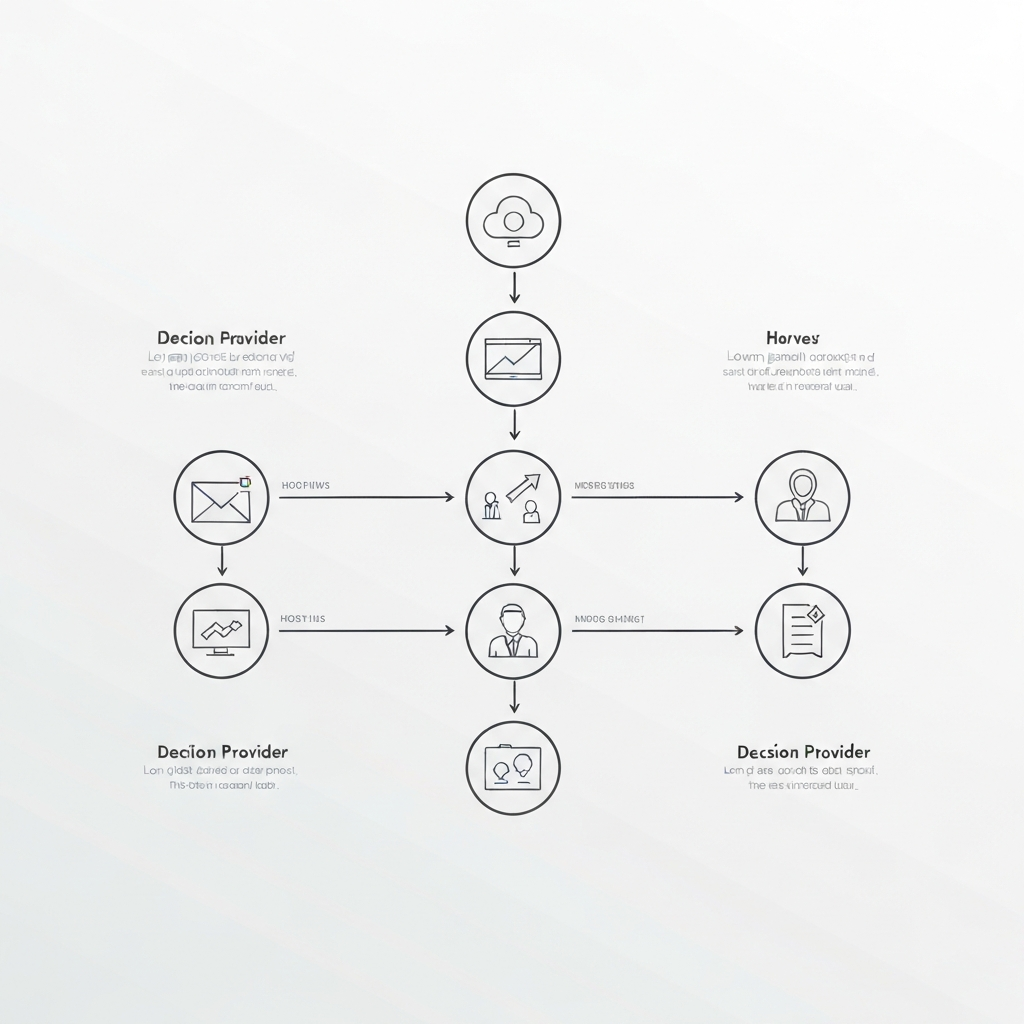
2. Key Factors to Consider When Evaluating Cloud Providers
Once you have a clear understanding of your business needs, you can begin evaluating potential cloud providers based on a number of key factors. These factors include service offerings, pricing models, security and compliance, reliability and performance, and support and documentation. Each of these areas plays a critical role in determining the overall suitability of a provider for your specific needs. Ignoring these areas can result in choosing a provider that simply doesn't work for the organization.
- Service Offerings: Cloud providers offer a wide range of services, including Infrastructure as a Service (IaaS), Platform as a Service (PaaS), and Software as a Service (SaaS). IaaS provides the basic building blocks of computing infrastructure, such as virtual machines and storage. PaaS offers a platform for developing and deploying applications, while SaaS provides ready-to-use software applications. Understanding which service models align with your needs is crucial. For example, a small startup might prefer SaaS solutions for email and CRM, while a large enterprise might require IaaS for greater control over its infrastructure.
- Pricing Models: Cloud providers offer various pricing models, including pay-as-you-go, reserved instances, and spot instances. Pay-as-you-go allows you to pay only for the resources you consume, while reserved instances offer discounted rates for committing to a specific amount of resources for a certain period. Spot instances offer even greater discounts but are subject to interruption. Selecting the right pricing model can significantly impact your cloud costs. For example, a development environment might benefit from spot instances, while a production environment would likely require reserved instances for guaranteed uptime.
- Security and Compliance: Security is a top priority when choosing a cloud provider. Look for providers that offer robust security features, such as encryption, access control, and intrusion detection. Additionally, ensure that the provider complies with relevant industry regulations, such as HIPAA, GDPR, and SOC 2. The cloud provider should provide clear documentation regarding their security practices and certifications. For example, if your company processes personal data of EU citizens, you need to ensure that the provider complies with GDPR requirements.
3. Comparing Major Cloud Providers
Pro Tip: Don't be afraid to use a multi-cloud strategy. Different providers excel in different areas, so combining services from multiple providers can optimize performance, reduce vendor lock-in, and improve resilience.
The cloud computing market is dominated by a few major players, each with its own strengths and weaknesses. Amazon Web Services (AWS), Microsoft Azure, and Google Cloud Platform (GCP) are the three largest providers, offering a comprehensive range of services and a global infrastructure. Evaluating these providers based on your specific needs is essential for making an informed decision. It's also useful to consider smaller providers that may offer specialized services or a more personalized approach.
🛒 Amazon Global Deals
Shop Now: Selecting the Right Cloud Provider* Associate commission may be earned.
AWS is the market leader, offering the broadest range of services and a mature ecosystem. It's a good choice for organizations that need a comprehensive platform with extensive features and a large community. Azure is a strong contender, particularly for organizations that already use Microsoft products and services. It integrates seamlessly with Windows Server, SQL Server, and other Microsoft technologies. GCP is known for its innovation in areas such as artificial intelligence and machine learning. It's a good choice for organizations that need cutting-edge technologies and a flexible platform. Each platform has detailed comparison reports available.
When comparing these providers, consider factors such as their geographical footprint, service level agreements (SLAs), and pricing structures. Also, evaluate their support offerings and documentation to ensure that you can get the help you need when you need it. Don't rely solely on marketing materials; seek out independent reviews and case studies to get a more objective view of each provider's capabilities. Consider starting with a pilot project to test out a provider's services before committing to a long-term contract. A well-planned pilot project can reveal potential issues and help you refine your requirements.
Conclusion
Selecting the right cloud provider is a critical decision that can significantly impact your organization's success. By thoroughly understanding your business needs, carefully evaluating potential providers, and considering factors such as service offerings, pricing models, security, and compliance, you can make an informed choice that aligns with your strategic goals. Remember that the cloud landscape is constantly evolving, so it's essential to stay informed and adapt your cloud strategy as needed.
The future of cloud computing is likely to be characterized by greater adoption of multi-cloud strategies, increased focus on serverless computing, and further integration of artificial intelligence and machine learning. By embracing these trends, organizations can unlock even greater value from the cloud and gain a competitive edge in the digital age. A careful and considered approach will lead to lasting success, driving innovation and efficiency for years to come.
❓ Frequently Asked Questions (FAQ)
What is the difference between IaaS, PaaS, and SaaS?
IaaS, PaaS, and SaaS are different cloud service models that offer varying levels of control and responsibility. IaaS (Infrastructure as a Service) provides you with the basic building blocks of computing infrastructure, such as virtual machines, storage, and networks. You have complete control over the operating system, applications, and data. PaaS (Platform as a Service) provides a platform for developing, running, and managing applications without the complexity of managing the underlying infrastructure. SaaS (Software as a Service) delivers ready-to-use software applications over the internet, such as email or CRM, managed and maintained by the provider. For example, using AWS EC2 is an example of IaaS while using Google App Engine is an example of PaaS, and Salesforce is an example of SaaS.
How do I ensure data security in the cloud?
Data security in the cloud is a shared responsibility between you and your cloud provider. Choose a provider with robust security features, such as encryption, access control, and intrusion detection. Implement strong authentication and authorization mechanisms, and regularly monitor your cloud environment for security threats. Encrypt sensitive data at rest and in transit, and implement data loss prevention (DLP) measures to prevent unauthorized access or disclosure. Also, ensure that you comply with relevant data privacy regulations, such as GDPR or HIPAA. For instance, enabling multi-factor authentication (MFA) for all user accounts is a simple yet effective way to enhance security.
What is a multi-cloud strategy, and why should I consider it?
A multi-cloud strategy involves using services from multiple cloud providers, rather than relying on a single vendor. This approach can offer several benefits, including improved resilience, reduced vendor lock-in, and optimized performance. Different cloud providers may excel in different areas, so you can choose the best services from each provider to meet your specific needs. It also protects your organization from service outages or price increases from a single provider. For example, you might use AWS for compute services, Azure for data storage, and GCP for machine learning. This flexibility can lead to significant cost savings and improved agility.
Tags: #CloudComputing #CloudProvider #AWS #Azure #GCP #ITStrategy #DigitalTransformation
🛒 Amazon Global Deals
Shop Now: Selecting the Right Cloud Provider* Associate commission may be earned.
⚠️ LEGAL DISCLAIMER
For Informational Purposes Only: All content provided by GGG PICK is for general informational purposes only. This content is not intended to serve as a substitute for official professional advice, technical diagnosis, or legal counsel.
Disclaimer of Warranty: While we strive to maintain the currency and accuracy of information, we do not guarantee the completeness, reliability, or real-time accuracy of the provided data. Any decisions and actions taken based on the information from this website are solely at the user's own risk.
Note: Always consult with a certified professional before making significant business or technical decisions. GGG PICK shall not be held liable for any direct or indirect loss or damage resulting from the use of this website.