SMB Cybersecurity Risk Assessment Checklist A Comprehensive Guide
📖 5 min read
🔥 Quick Link: Check Best Seller Prices
View "SMB Cybersecurity Risk Assessment Checklist" on Amazon →In today's interconnected world, small and medium-sized businesses (SMBs) are prime targets for cybercriminals. Often lacking the robust security infrastructure of larger corporations, SMBs are perceived as easier targets, despite holding valuable data such as customer information, financial records, and intellectual property. A single successful cyberattack can cripple an SMB, leading to significant financial losses, reputational damage, and even closure. Therefore, conducting a comprehensive cybersecurity risk assessment is not just a best practice but a necessity for survival in the modern business landscape. This checklist will guide you through the essential steps to identify, analyze, and mitigate cybersecurity risks, ensuring your business remains resilient against evolving threats. By proactively addressing vulnerabilities, SMBs can safeguard their assets, maintain customer trust, and achieve long-term success.
1. Identifying Assets and Data
The first step in any cybersecurity risk assessment is identifying all the assets and data that your business possesses. This includes both tangible assets like computers, servers, and mobile devices, as well as intangible assets like customer databases, financial records, and intellectual property. It's crucial to create a comprehensive inventory of all assets, noting their location, purpose, and the data they contain. For example, a server might house customer payment information, while a laptop may contain sensitive business plans. This detailed inventory provides the foundation for understanding what needs protection and the potential impact of a breach.
Once you've identified your assets, you need to classify the data they contain based on its sensitivity and importance. Data classification helps prioritize security efforts and determine the appropriate level of protection for each type of information. Common data classifications include public, confidential, and restricted. Public data, such as marketing materials, can be freely accessible. Confidential data, like employee records, requires limited access. Restricted data, such as financial information and trade secrets, requires the highest level of security and access control. Properly classifying data ensures that the most critical information receives the most stringent protection measures.
Understanding the value of your assets and data is essential for prioritizing security investments. Consider the financial impact, reputational damage, and legal ramifications that could result from the loss or compromise of each asset. For instance, the loss of customer credit card data could lead to significant fines, lawsuits, and a loss of customer trust. Similarly, the theft of intellectual property could undermine your competitive advantage and result in substantial financial losses. By quantifying the potential impact of a breach for each asset, you can make informed decisions about where to allocate resources and implement security controls.
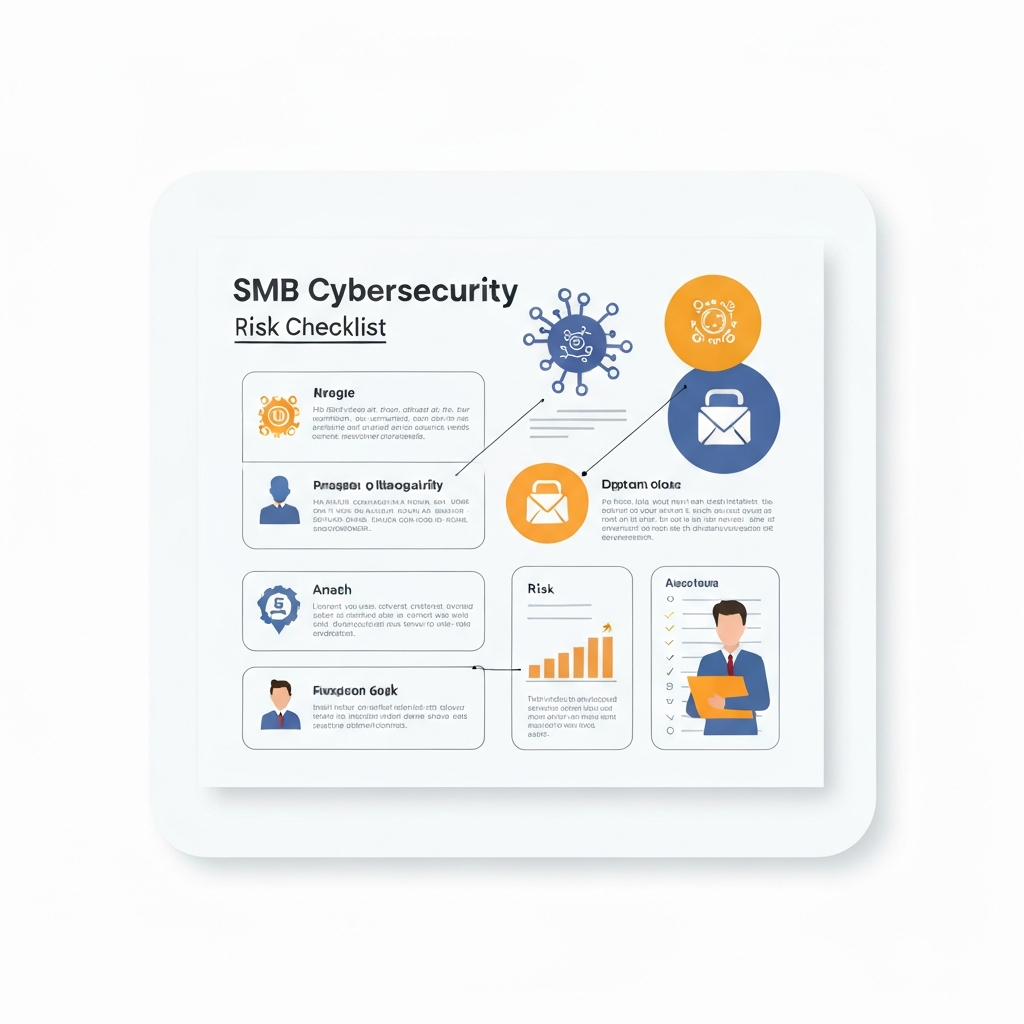
2. Identifying Threats and Vulnerabilities
After identifying and classifying your assets, the next step is to identify potential threats and vulnerabilities. Threats are external factors that could exploit vulnerabilities and cause harm to your assets. Vulnerabilities are weaknesses in your systems, processes, or infrastructure that could be exploited by threats. A comprehensive threat and vulnerability assessment is crucial for understanding the risks your business faces and developing effective mitigation strategies.
- Common Threats: Some common threats include malware (viruses, ransomware, spyware), phishing attacks, denial-of-service (DoS) attacks, and insider threats. Malware can infect systems and steal data, encrypt files, or disrupt operations. Phishing attacks trick employees into revealing sensitive information through deceptive emails or websites. DoS attacks overwhelm systems with traffic, making them unavailable to legitimate users. Insider threats can come from disgruntled employees or contractors who have access to sensitive data and systems. Understanding these common threats is the first step in protecting your business.
- Assessing Vulnerabilities: Vulnerabilities can exist in various areas of your business, including software, hardware, network infrastructure, and human behavior. Outdated software often contains known security flaws that can be exploited by attackers. Weak passwords and inadequate access controls can allow unauthorized users to gain access to sensitive systems. Lack of employee training on cybersecurity best practices can make them susceptible to phishing attacks and social engineering. Regularly scanning for vulnerabilities and addressing them promptly is essential for maintaining a strong security posture.
- Risk Assessment Matrix: A risk assessment matrix is a valuable tool for prioritizing risks based on their likelihood and impact. This matrix typically plots risks on a grid, with likelihood on one axis and impact on the other. Risks with a high likelihood and high impact should be addressed immediately, while risks with a low likelihood and low impact can be monitored. The risk assessment matrix provides a clear and visual way to prioritize security efforts and allocate resources effectively. By focusing on the most critical risks, you can maximize the effectiveness of your cybersecurity investments.
3. Implementing Security Controls
Pro Tip: Implement multi-factor authentication (MFA) wherever possible. MFA adds an extra layer of security by requiring users to provide two or more verification factors, such as a password and a code sent to their mobile device. This makes it significantly harder for attackers to gain access to accounts, even if they have stolen a password.
Once you have identified and prioritized your risks, the next step is to implement security controls to mitigate those risks. Security controls are measures taken to reduce the likelihood or impact of a threat exploiting a vulnerability. These controls can be technical, administrative, or physical in nature, and they should be tailored to the specific risks your business faces. A well-designed set of security controls can significantly reduce your overall risk exposure and protect your assets.
🛒 Amazon Global Deals
Shop Now: SMB Cybersecurity Risk Assessment Checklist* Associate commission may be earned.
Technical controls include measures such as firewalls, intrusion detection systems, antivirus software, and encryption. Firewalls act as a barrier between your network and the outside world, blocking unauthorized access. Intrusion detection systems monitor network traffic for suspicious activity and alert administrators to potential threats. Antivirus software scans for and removes malware from your systems. Encryption protects sensitive data by scrambling it so that it cannot be read by unauthorized users. Implementing these technical controls is essential for securing your network and systems.
Administrative controls include policies, procedures, and training programs designed to promote security awareness and compliance. A strong password policy, for example, can help prevent unauthorized access to accounts. Regular security awareness training can educate employees about phishing attacks, social engineering, and other common threats. Incident response plans outline the steps to take in the event of a security breach, ensuring that you can respond quickly and effectively. By implementing these administrative controls, you can create a security-conscious culture within your organization and reduce the risk of human error.
Conclusion
Conducting a cybersecurity risk assessment is an ongoing process, not a one-time event. As your business evolves and new threats emerge, you need to regularly review and update your risk assessment to ensure that your security controls remain effective. This includes conducting regular vulnerability scans, penetration tests, and security audits to identify and address any new weaknesses in your systems. By continuously monitoring your security posture, you can stay ahead of emerging threats and protect your business from cyberattacks.
In conclusion, SMBs must prioritize cybersecurity to protect their valuable assets and maintain customer trust. By following this risk assessment checklist and implementing appropriate security controls, you can significantly reduce your risk exposure and ensure the long-term success of your business. The ever-changing landscape of cyber threats requires constant vigilance, so stay informed, adapt your strategies, and invest in robust security measures. The future of your business may depend on it.
❓ Frequently Asked Questions (FAQ)
Why is a cybersecurity risk assessment important for my SMB?
A cybersecurity risk assessment is crucial for SMBs because it helps identify vulnerabilities and potential threats that could compromise your business's sensitive data and systems. Many SMBs mistakenly believe they are too small to be targeted by cybercriminals, but in reality, they are often seen as easier targets due to their limited security resources. By conducting a risk assessment, you can prioritize security efforts, allocate resources effectively, and implement appropriate controls to protect your business from costly data breaches and reputational damage. This proactive approach helps ensure business continuity and builds trust with your customers.
How often should I conduct a cybersecurity risk assessment?
Ideally, a cybersecurity risk assessment should be conducted at least annually, or more frequently if there are significant changes to your business, such as the implementation of new systems, the expansion into new markets, or changes in the regulatory environment. Cyber threats are constantly evolving, so regular assessments are necessary to identify and address new vulnerabilities. Additionally, if your business experiences a security incident or breach, a risk assessment should be conducted immediately to determine the cause and prevent future incidents. Keeping your risk assessment up-to-date ensures that your security measures are aligned with the current threat landscape and your business needs.
What are some cost-effective cybersecurity measures that SMBs can implement?
While comprehensive cybersecurity solutions can be expensive, there are several cost-effective measures that SMBs can implement to significantly improve their security posture. These include enabling multi-factor authentication (MFA) for all accounts, implementing a strong password policy, providing regular security awareness training to employees, using a reputable antivirus software, and keeping all software and systems up-to-date with the latest security patches. Additionally, SMBs can leverage free resources such as the Cybersecurity & Infrastructure Security Agency (CISA) guides and frameworks to enhance their security practices without significant financial investment. These measures can provide a solid foundation for protecting your business from common cyber threats.
Tags: #SMBsecurity #CybersecurityChecklist #RiskAssessment #SmallBusinessTips #DataProtection #CybersecurityAwareness
🛒 Amazon Global Deals
Shop Now: SMB Cybersecurity Risk Assessment Checklist* Associate commission may be earned.
⚠️ LEGAL DISCLAIMER
For Informational Purposes Only: All content provided by GGG PICK is for general informational purposes only. This content is not intended to serve as a substitute for official professional advice, technical diagnosis, or legal counsel.
Disclaimer of Warranty: While we strive to maintain the currency and accuracy of information, we do not guarantee the completeness, reliability, or real-time accuracy of the provided data. Any decisions and actions taken based on the information from this website are solely at the user's own risk.
Note: Always consult with a certified professional before making significant business or technical decisions. GGG PICK shall not be held liable for any direct or indirect loss or damage resulting from the use of this website.