Cybersecurity Budget Allocation Strategies for SMBs
📖 5 min read
🔥 Quick Link: Check Best Seller Prices
View "Cybersecurity Budget Allocation Strategies SMBs" on Amazon →In an increasingly interconnected and threat-ridden digital world, cybersecurity isn't just an IT concern – it's a fundamental business imperative, particularly for small and medium-sized businesses (SMBs). These organizations often operate with limited resources and IT staff, making them prime targets for cybercriminals. A well-defined cybersecurity budget and a strategic approach to its allocation are crucial for mitigating risks, safeguarding sensitive data, and maintaining business continuity. Without a proper plan, SMBs risk financial losses, reputational damage, and even closure due to security breaches. This guide provides actionable strategies to help SMBs effectively allocate their cybersecurity budgets and build a robust defense against evolving cyber threats, ensuring the long-term health and resilience of their operations. The right allocation can make all the difference in a competitive, and often dangerous, online marketplace.
1. Conducting a Comprehensive Risk Assessment
The foundation of any sound cybersecurity budget allocation strategy lies in a comprehensive risk assessment. This process involves identifying potential threats, vulnerabilities, and the impact they could have on the business. Without understanding the specific risks your SMB faces, you can't effectively prioritize security investments. Think of it like a doctor diagnosing a patient; without a proper diagnosis, the treatment plan will be ineffective.
A thorough risk assessment should include an inventory of all IT assets, including hardware, software, and data. For each asset, identify potential vulnerabilities, such as outdated software, weak passwords, or unpatched systems. Then, assess the likelihood and potential impact of each threat exploiting these vulnerabilities. For example, a ransomware attack targeting a server containing sensitive customer data would have a high impact, while a phishing email targeting an employee with limited access might have a lower impact. Quantifying these risks – even roughly – helps in prioritization. Some risks are low-hanging fruit, while others require advanced and costly solutions.
The results of the risk assessment will inform the budget allocation process. High-risk areas should receive the most attention and funding. This might involve investing in advanced security tools, employee training, or third-party security services. Regularly update the risk assessment as the threat landscape evolves and your business changes. A static assessment is useless; the cybersecurity landscape is dynamic, and your assessment must be equally so. This proactive approach allows you to stay ahead of potential threats and adjust your budget accordingly, ensuring your resources are always aligned with the most pressing security needs.
2. Prioritizing Cybersecurity Investments
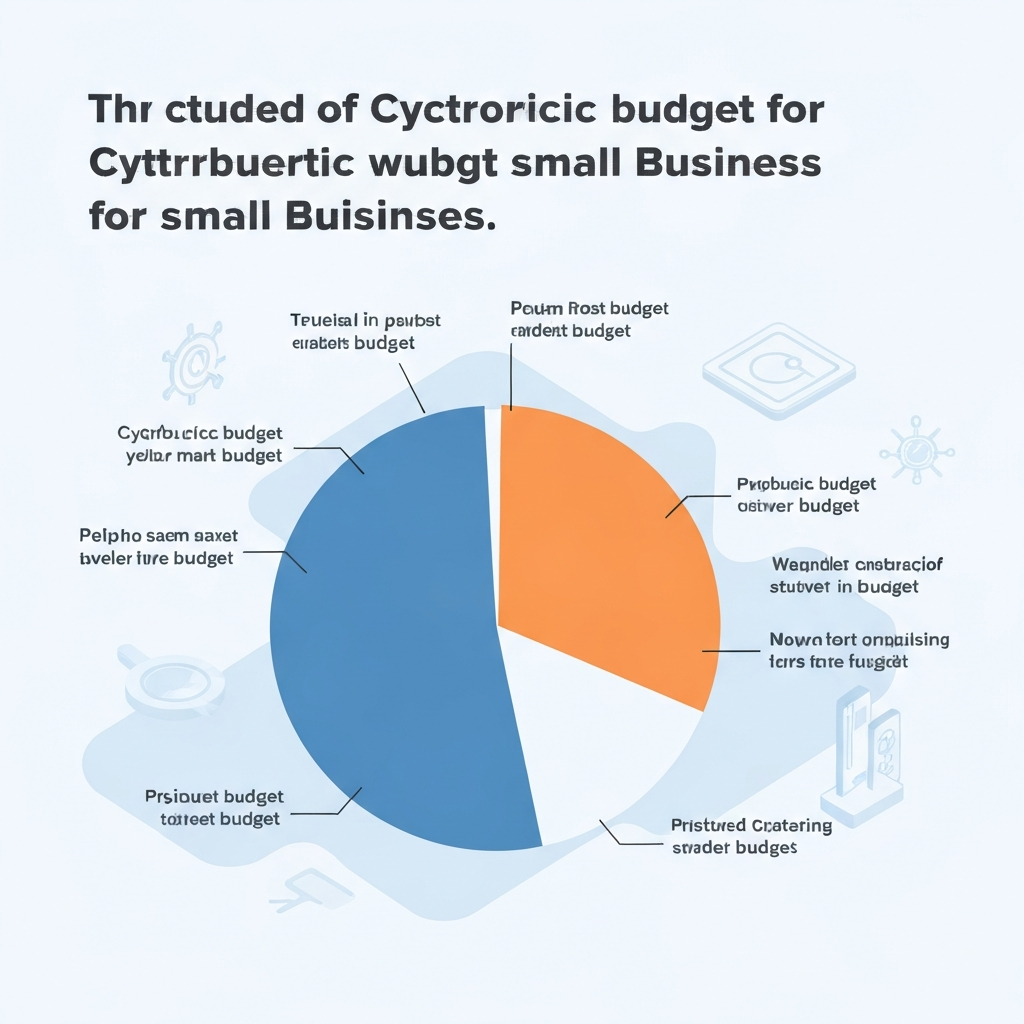
Once you've identified your SMB's key risks, the next step is to prioritize cybersecurity investments. Not all security measures are created equal, and some will offer a greater return on investment than others. Effective prioritization ensures that you're allocating your limited resources to the areas that will provide the most significant protection against the most likely and impactful threats. Focus on the 'crown jewels' – the assets that are most critical to your business operations and contain the most sensitive data.
- Essential Security Controls: These are the foundational security measures that every SMB should implement, regardless of their industry or size. This includes strong password policies, multi-factor authentication (MFA), regular software updates, and a robust firewall. These controls provide a baseline level of protection against common cyber threats and are relatively inexpensive to implement. MFA, in particular, is an incredibly effective and affordable measure against password-related breaches, which are a leading cause of security incidents.
- Data Protection and Privacy: With increasing data privacy regulations, protecting sensitive customer data is not only a legal requirement but also a business imperative. Invest in data encryption, access controls, and data loss prevention (DLP) tools to prevent unauthorized access and data breaches. Consider implementing a data privacy program that outlines how you collect, store, and use customer data, and ensure that you comply with relevant regulations like GDPR or CCPA. Failure to protect data can result in hefty fines and irreparable damage to your reputation.
- Employee Training and Awareness: Human error is a significant factor in many cybersecurity breaches. Investing in employee training and awareness programs can significantly reduce the risk of employees falling victim to phishing attacks, social engineering scams, or other cyber threats. Train employees to recognize and report suspicious emails, to use strong passwords, and to follow security best practices. Regular training sessions and simulated phishing exercises can help reinforce these practices and keep security top of mind. This investment often has the highest ROI, as it addresses the weakest link in the security chain.
3. Optimizing Spending and Seeking External Expertise
Pro Tip: Don't try to build everything in-house. Managed Security Service Providers (MSSPs) offer cost-effective solutions for monitoring, threat detection, and incident response. Evaluate whether outsourcing certain security functions can save you money and improve your security posture.
Optimizing cybersecurity spending involves finding the right balance between cost and effectiveness. This means carefully evaluating the cost of different security solutions and services, and choosing those that provide the best value for your money. Explore open-source security tools, which can often provide comparable functionality to commercial solutions at a lower cost. Consider cloud-based security solutions, which can be more scalable and cost-effective than on-premise solutions. The key is to perform a thorough cost-benefit analysis before making any investment decisions.
🛒 Amazon Global Deals
Shop Now: Cybersecurity Budget Allocation Strategies SMBs* Associate commission may be earned.
Many SMBs lack the in-house expertise to effectively manage their cybersecurity. In such cases, seeking external expertise can be a wise investment. Consider hiring a cybersecurity consultant to conduct a security assessment, develop a cybersecurity plan, or provide ongoing security guidance. Alternatively, partner with a Managed Security Service Provider (MSSP) to outsource certain security functions, such as security monitoring, threat detection, and incident response. MSSPs can provide 24/7 security coverage and specialized expertise at a fraction of the cost of hiring in-house security staff. A good MSP can act as an extension of your team, providing expertise and support when you need it most.
Consistently re-evaluate your security investments. Conduct regular audits of your security infrastructure to identify areas where you can optimize spending or improve effectiveness. The cybersecurity landscape is constantly evolving, so it's essential to stay informed about the latest threats and vulnerabilities. Subscribing to security newsletters, attending industry events, and participating in online security communities can help you stay up-to-date on the latest trends and best practices. This continuous learning and adaptation are crucial for maintaining a strong security posture and maximizing the value of your cybersecurity investments. By staying informed and adapting your strategies, you can ensure that your cybersecurity budget is always aligned with your evolving needs and priorities.
Conclusion
Strategic cybersecurity budget allocation is essential for SMBs to protect themselves against the ever-evolving threat landscape. By conducting a comprehensive risk assessment, prioritizing cybersecurity investments, and optimizing spending, SMBs can effectively allocate their limited resources and build a robust defense against cyber threats. Remember that cybersecurity is an ongoing process, not a one-time fix. Continuously monitor your security posture, adapt your strategies, and invest in employee training to maintain a strong security posture over time. Prioritize the basics and don’t try to implement advanced controls before the foundation is solid.
The future of cybersecurity for SMBs will likely involve greater reliance on cloud-based security solutions, artificial intelligence (AI) powered threat detection, and increased collaboration between businesses and security providers. Staying informed about these trends and incorporating them into your cybersecurity strategy will be crucial for staying ahead of the curve and protecting your business from future threats. Proactive planning and diligent execution are the keys to safeguarding your business in the digital age. By adapting and anticipating, SMBs can mitigate risks and thrive.
❓ Frequently Asked Questions (FAQ)
What is the average percentage of revenue that an SMB should allocate to cybersecurity?
There's no one-size-fits-all answer, but industry best practices suggest allocating between 5% to 10% of your annual revenue to cybersecurity. However, this percentage can vary depending on factors such as the industry, the size of the business, and the sensitivity of the data you handle. A healthcare provider dealing with protected health information (PHI) will likely need to allocate a higher percentage compared to a small retail store. It's crucial to conduct a thorough risk assessment and tailor your budget to your specific needs and circumstances, ensuring the investment aligns with the identified threats and vulnerabilities.
How often should an SMB review and update its cybersecurity budget?
Your cybersecurity budget should be reviewed and updated at least annually, or more frequently if there are significant changes to your business, such as mergers, acquisitions, or the introduction of new technologies. Additionally, major security incidents or changes in the threat landscape should trigger a budget review. Regular reviews ensure that your budget remains aligned with your evolving needs and priorities, allowing you to adapt to emerging threats and vulnerabilities. Failing to update your budget can leave you vulnerable to new attacks and waste money on outdated solutions.
What are some common mistakes SMBs make when allocating their cybersecurity budgets?
One common mistake is focusing solely on technology and neglecting employee training and awareness. Human error is a significant factor in many breaches, so investing in training can significantly reduce your risk. Another mistake is failing to conduct a thorough risk assessment, which leads to misallocation of resources and inadequate protection against the most relevant threats. Additionally, many SMBs underestimate the cost of incident response and recovery, leaving them unprepared to deal with the aftermath of a successful attack. Lastly, delaying security investments can prove far more expensive in the long run, as the cost of recovering from a breach often outweighs the cost of implementing preventative measures. Proactive security is often more cost-effective.
Tags: #Cybersecurity #SMB #BudgetAllocation #RiskManagement #DataProtection #EmployeeTraining #MSSP
🛒 Amazon Global Deals
Shop Now: Cybersecurity Budget Allocation Strategies SMBs* Associate commission may be earned.
⚠️ LEGAL DISCLAIMER
For Informational Purposes Only: All content provided by GGG PICK is for general informational purposes only. This content is not intended to serve as a substitute for official professional advice, technical diagnosis, or legal counsel.
Disclaimer of Warranty: While we strive to maintain the currency and accuracy of information, we do not guarantee the completeness, reliability, or real-time accuracy of the provided data. Any decisions and actions taken based on the information from this website are solely at the user's own risk.
Note: Always consult with a certified professional before making significant business or technical decisions. GGG PICK shall not be held liable for any direct or indirect loss or damage resulting from the use of this website.