Space Based Solar Power A Global Tech Game Changer
📖 5 min read
🔥 Quick Link: Check Best Seller Prices
View "Space Based Solar Power" on Amazon →The quest for clean, sustainable, and abundant energy sources has led scientists and engineers to explore unconventional solutions. Among these, space-based solar power (SBSP) stands out as a potentially game-changing technology. Imagine capturing the sun's energy in space, where there are no clouds, atmospheric interference, or nighttime interruptions, and then beaming that energy back to Earth for use. While the concept may seem like science fiction, significant strides have been made in recent years, bringing SBSP closer to reality and offering a promising pathway towards a future powered by clean, space-derived energy.
1. Understanding Space-Based Solar Power
Space-based solar power involves collecting solar energy in space using large orbiting solar power satellites and transmitting it to Earth via wireless power transmission. Unlike terrestrial solar farms, which are limited by weather, time of day, and geographical location, SBSP systems can operate virtually continuously, providing a consistent and reliable energy source. The fundamental principle is to position solar collectors in geostationary orbit (GEO), where they have an unobstructed view of the sun for approximately 24 hours a day, except for short periods during the equinoxes.
The process begins with the conversion of sunlight into electricity using photovoltaic cells, similar to those used in rooftop solar panels. However, in space, these cells can be significantly more efficient due to the higher intensity of solar radiation. Once converted to electricity, the power is then converted into radio frequency (RF) or microwave energy and beamed to receiving antennas (rectennas) on Earth. These rectennas, typically located in remote areas or offshore platforms, convert the microwave energy back into electricity for distribution to the grid.
The potential benefits of SBSP are enormous. It offers a clean, virtually inexhaustible energy source, reducing our dependence on fossil fuels and mitigating climate change. Furthermore, it could provide a reliable and consistent power supply, addressing the intermittency issues associated with terrestrial renewable energy sources. From a practical standpoint, this offers countries the opportunity to improve their energy security, create new industries, and drive economic growth.
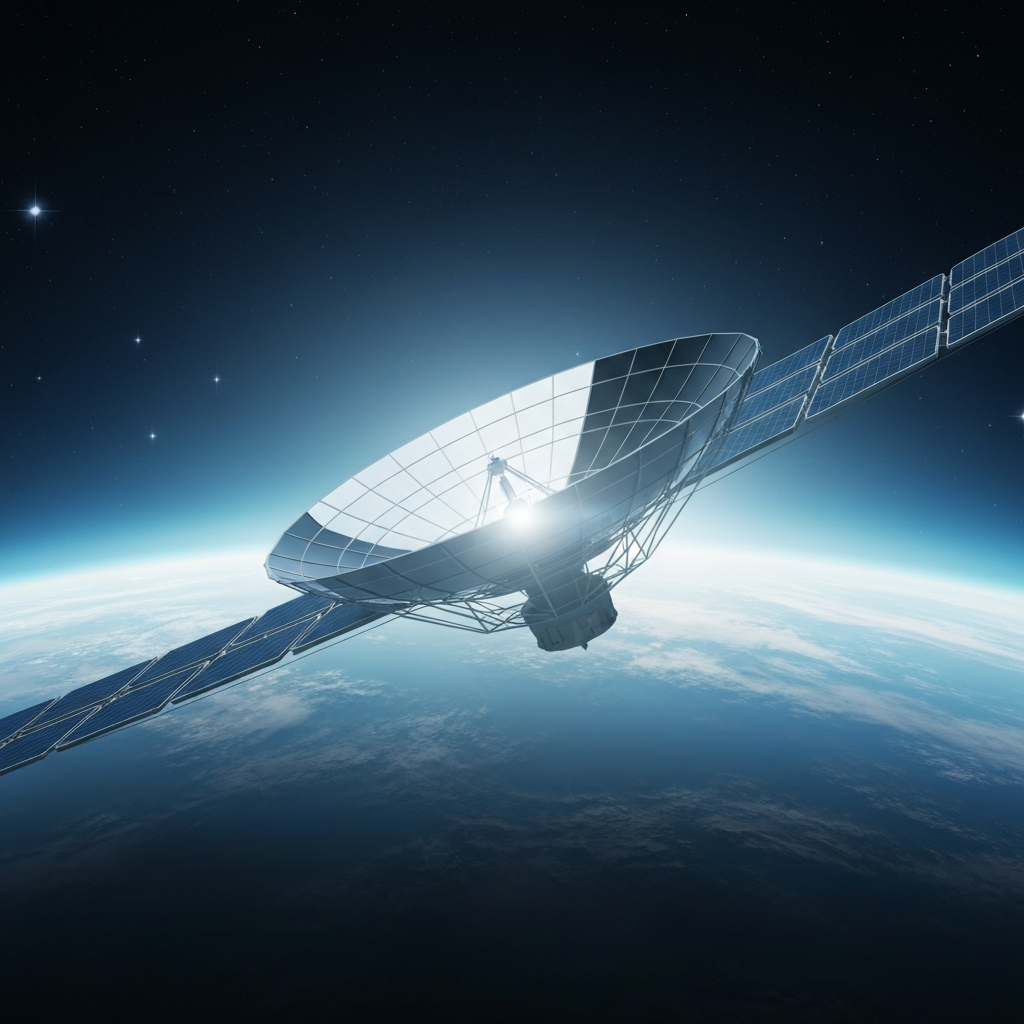
2. Key Components and Technologies
Realizing the vision of SBSP requires advancements in several key areas. The core components include solar collectors, power transmission systems, and receiving stations. Each of these presents unique technological challenges that must be addressed for SBSP to become economically viable and technically feasible.
- Solar Collectors: These are the large arrays of photovoltaic cells that capture sunlight and convert it into electricity. Efficiency, weight, and cost are critical factors in the design of space-based solar collectors. Current research focuses on developing lightweight, flexible solar cells with high conversion efficiencies. Examples include thin-film solar cells and concentrator photovoltaics, which use mirrors or lenses to focus sunlight onto smaller, high-efficiency cells.
- Power Transmission Systems: The wireless transmission of energy from space to Earth is a complex engineering challenge. Microwave and millimeter wave technologies are the primary candidates for this task. The efficiency of power transmission, the size of the transmitting and receiving antennas, and the potential for interference are all important considerations. Research is being conducted on advanced antenna designs, such as phased arrays, to improve beam steering and reduce power loss during transmission.
- Receiving Stations (Rectennas): These are the ground-based antennas that capture the microwave or RF energy and convert it back into electricity. Rectennas are typically large structures, but they can be designed to be environmentally friendly and compatible with agricultural or other land uses. Key research areas include improving the efficiency of rectennas, reducing their cost, and minimizing their environmental impact.
3. Challenges and Considerations
One of the biggest hurdles for SBSP is the high initial investment required to deploy the necessary infrastructure. Reducing the cost of space launch and manufacturing is essential for making SBSP economically competitive.
Space-based solar power faces numerous challenges that must be overcome before it can become a widespread energy solution. High costs, technological hurdles, and environmental concerns are among the most significant obstacles. Addressing these challenges requires a concerted effort from governments, industry, and research institutions.
The cost of launching massive solar collectors into space is a major barrier. Current launch costs are prohibitive, making SBSP economically unviable. However, advances in reusable rocket technology and the development of more efficient space transportation systems could significantly reduce launch costs in the future. For example, companies like SpaceX are working to drastically cut the cost of space travel, which could make SBSP more feasible.
Technological challenges include the development of lightweight, high-efficiency solar cells, the efficient wireless transmission of energy over long distances, and the construction and maintenance of large structures in space. Furthermore, there are environmental concerns related to the potential impact of microwave radiation on the atmosphere and the possibility of space debris accumulating in orbit. Careful planning and mitigation strategies are needed to address these concerns and ensure the sustainable development of SBSP.
Conclusion
Space-based solar power represents a bold and ambitious vision for the future of energy. While significant challenges remain, the potential benefits of clean, continuous, and abundant energy are too great to ignore. Continued research and development, coupled with supportive government policies and private sector investment, are essential for unlocking the full potential of SBSP.
As technology advances and costs decrease, SBSP could play a crucial role in meeting the world's growing energy demands while mitigating the impacts of climate change. The development of SBSP could also create new industries, drive technological innovation, and enhance global energy security. The future of energy may very well lie among the stars, with space-based solar power paving the way for a cleaner, more sustainable planet.
❓ Frequently Asked Questions (FAQ)
Is space-based solar power safe for the environment?
While SBSP offers a clean energy source, environmental concerns exist, primarily regarding microwave radiation. Extensive research suggests that the levels of microwave radiation reaching the Earth's surface from SBSP systems would be relatively low and within safety standards. However, further studies are necessary to fully understand the potential long-term effects on the atmosphere and ecosystems. Moreover, the issue of space debris needs careful management to prevent collisions and ensure the sustainability of space-based activities.
How efficient is the wireless power transmission process?
The efficiency of wireless power transmission is a critical factor in the viability of SBSP. Current microwave transmission systems can achieve efficiencies of around 50-60% over long distances. Ongoing research is focused on improving this efficiency through the use of advanced antenna designs, beam steering technologies, and higher frequency transmission bands. By increasing the efficiency of wireless power transmission, SBSP systems can deliver more energy to Earth while minimizing power loss and reducing the size of the receiving antennas.
What are the economic challenges of space-based solar power?
The primary economic challenge is the high upfront cost associated with launching and deploying the necessary infrastructure in space. Launch costs, manufacturing costs, and the cost of developing and maintaining the space-based solar collectors and transmission systems are all significant factors. However, as launch costs decrease due to advances in reusable rocket technology and manufacturing processes become more efficient, the economic viability of SBSP is expected to improve. Furthermore, the long-term operational costs of SBSP are relatively low, as the energy source (sunlight) is free and abundant.
Tags: #SpaceSolarPower #RenewableEnergy #CleanEnergy #SpaceTech #EnergyInnovation #SustainableEnergy #FutureTech
⚠️ LEGAL DISCLAIMER
For Informational Purposes Only: All content provided by GGG PICK is for general informational purposes only. This content is not intended to serve as a substitute for official professional advice, technical diagnosis, or legal counsel.
Disclaimer of Warranty: While we strive to maintain the currency and accuracy of information, we do not guarantee the completeness, reliability, or real-time accuracy of the provided data. Any decisions and actions taken based on the information from this website are solely at the user's own risk.
Note: Always consult with a certified professional before making significant business or technical decisions. GGG PICK shall not be held liable for any direct or indirect loss or damage resulting from the use of this website.