Sustainable IT Practices for Green Computing
📖 5 min read
🔥 Quick Link: Check Best Seller Prices
View "Sustainable IT Practices for Green Computing" on Amazon →In an era defined by rapid technological advancements, the environmental impact of our digital footprint has become increasingly significant. From the energy-intensive data centers powering the cloud to the resource-depleting manufacturing of electronic devices, the IT industry's ecological burden is undeniable. Green computing, also known as sustainable IT, is a multifaceted approach to mitigate these impacts by minimizing energy consumption, reducing waste, and promoting responsible disposal practices. This involves optimizing hardware and software, adopting energy-efficient technologies, and embracing sustainable sourcing to create a more eco-friendly tech ecosystem. By implementing sustainable IT practices, businesses and individuals can not only reduce their carbon footprint but also achieve long-term cost savings and enhance their brand reputation as environmentally conscious entities. The journey towards green computing requires a collective effort, encompassing manufacturers, consumers, and policymakers, to foster a culture of sustainability within the tech industry.
1. Understanding the Principles of Green Computing
Green computing is centered on the core principles of reducing environmental impact throughout the entire lifecycle of IT products and services. This includes minimizing energy consumption, decreasing the use of hazardous materials, promoting recyclability, and optimizing resource utilization. By adopting a holistic approach, organizations can effectively reduce their carbon footprint and contribute to a more sustainable future. These principles extend beyond simply using less energy; they encompass the entire supply chain, from sourcing raw materials to end-of-life disposal.
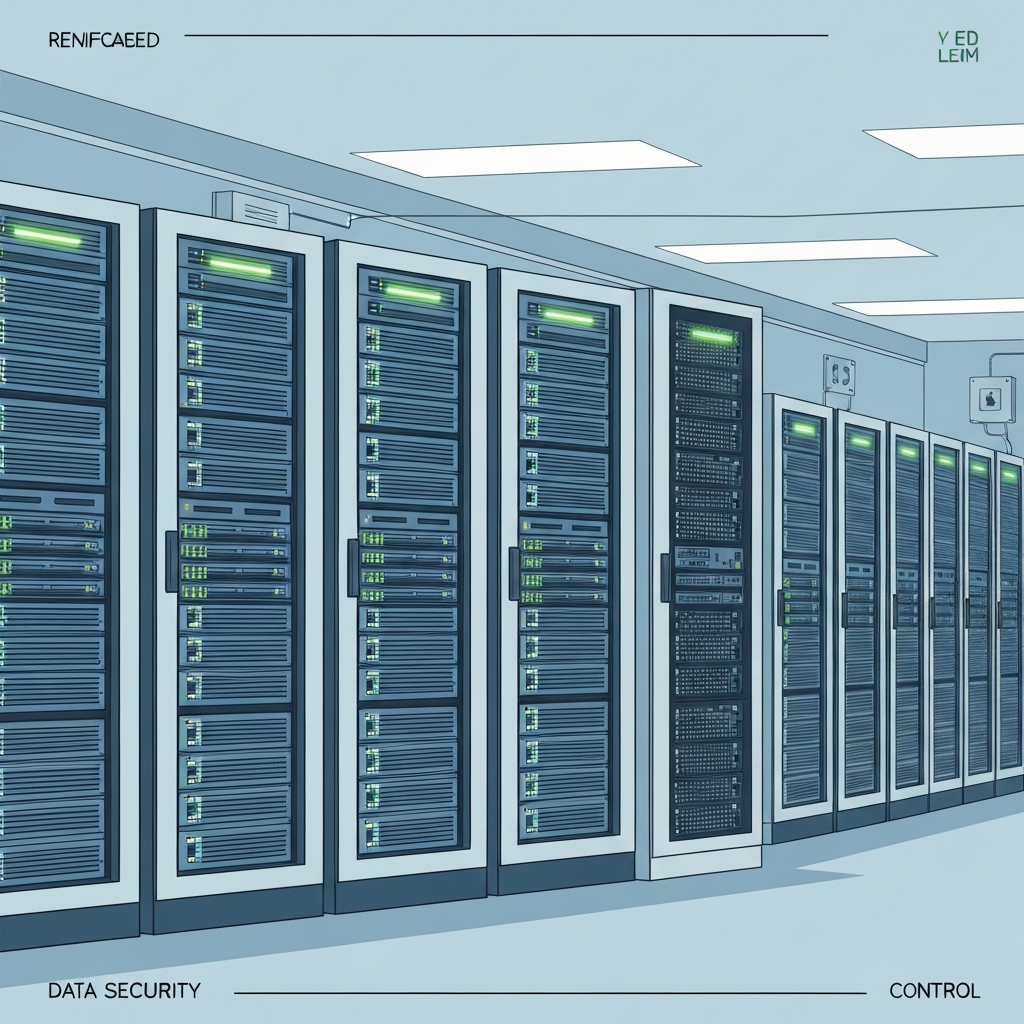
One crucial aspect of green computing is energy efficiency. Data centers, for instance, consume massive amounts of electricity to power servers and maintain optimal operating temperatures. Optimizing server utilization, implementing virtualization technologies, and using energy-efficient cooling systems can significantly reduce energy consumption. For example, switching to solid-state drives (SSDs) can reduce power consumption compared to traditional hard disk drives (HDDs). Additionally, using power management software to automatically put computers and monitors into sleep mode during periods of inactivity can lead to substantial energy savings over time. Companies can also explore renewable energy sources, such as solar or wind power, to further decrease their environmental impact.
Beyond energy efficiency, reducing electronic waste (e-waste) is a critical component of green computing. E-waste contains hazardous materials such as lead, mercury, and cadmium, which can leach into the environment and pose serious health risks. Implementing responsible e-waste recycling programs ensures that these materials are properly processed and recovered. Additionally, promoting the longevity of electronic devices through proper maintenance and upgrades can reduce the need for frequent replacements. Encouraging the reuse of equipment through donations or refurbishment programs can also extend the lifespan of IT assets and minimize waste. Consumers can also play a role by choosing products with longer lifecycles and participating in manufacturer-sponsored recycling programs.
2. Implementing Sustainable IT Strategies
Adopting sustainable IT practices requires a comprehensive strategy that encompasses various aspects of an organization's IT infrastructure. From hardware procurement to software development, every stage presents opportunities to reduce environmental impact and promote responsible resource management. By integrating sustainability into IT decision-making processes, organizations can achieve both environmental and economic benefits.
- Energy-Efficient Hardware: Selecting energy-efficient hardware is a fundamental step in green computing. Look for devices with Energy Star certification, which indicates that they meet stringent energy efficiency standards. When purchasing computers, monitors, and other peripherals, consider their power consumption ratings and choose models that consume less energy. Additionally, opting for laptops over desktops can significantly reduce energy consumption, as laptops are generally more energy-efficient. Furthermore, virtualization technologies can consolidate multiple physical servers into fewer, more powerful servers, reducing hardware requirements and energy usage.
- Green Software Development: Software development can also contribute to sustainability by optimizing code for energy efficiency. Efficiently written code consumes less processing power, reducing the overall energy footprint of software applications. Developers can use profiling tools to identify and optimize performance bottlenecks in their code. Additionally, adopting cloud-based services can reduce the need for on-premises hardware, lowering energy consumption and infrastructure costs. Using lightweight frameworks and libraries can also minimize the resource requirements of software applications. Regularly updating software can also improve energy efficiency, as newer versions often include performance enhancements and bug fixes.
- Responsible E-Waste Management: Proper disposal of electronic waste is crucial to prevent environmental contamination. Organizations should establish partnerships with certified e-waste recyclers to ensure that end-of-life electronics are processed safely and responsibly. Avoid sending e-waste to landfills, as this can lead to the release of hazardous materials into the environment. Implement a comprehensive e-waste management policy that outlines procedures for collecting, storing, and recycling electronic waste. Educate employees about the importance of e-waste recycling and provide convenient collection points for disposing of old electronics. Consider donating or refurbishing used equipment to extend its lifespan and reduce waste.
3. The Role of Cloud Computing in Green IT
Cloud computing offers a compelling avenue for organizations to enhance their sustainability efforts. By migrating to the cloud, businesses can leverage the shared resources and economies of scale provided by cloud providers, leading to significant energy savings and reduced environmental impact.
Cloud computing centralizes IT resources, allowing for better resource utilization and optimization. Cloud providers typically operate large, energy-efficient data centers that are designed to minimize environmental impact. These data centers often employ advanced cooling technologies, such as free cooling and liquid cooling, to reduce energy consumption. Additionally, cloud providers invest in renewable energy sources to power their data centers, further reducing their carbon footprint. By leveraging the infrastructure and expertise of cloud providers, organizations can offload the responsibility of managing and maintaining their own data centers, freeing up resources and reducing their environmental impact.
🛒 Amazon Global Deals
Shop Now: Sustainable IT Practices for Green Computing* Associate commission may be earned.
Cloud computing also enables better resource allocation and scalability. Organizations can dynamically scale their IT resources up or down based on demand, ensuring that they are only using the resources they need at any given time. This reduces the need for over-provisioning, which can lead to wasted energy and resources. Cloud providers also offer a wide range of services, such as serverless computing, that allow organizations to run applications without managing servers, further reducing their environmental impact. By optimizing resource allocation and scalability, cloud computing can help organizations achieve significant energy savings and reduce their carbon footprint.
Furthermore, cloud computing promotes collaboration and data sharing, reducing the need for physical travel and paper-based processes. Cloud-based collaboration tools allow employees to work together remotely, reducing the need for commuting and business travel. Cloud storage and document management systems eliminate the need for paper-based processes, reducing paper consumption and waste. By promoting collaboration and data sharing, cloud computing can help organizations reduce their environmental impact and improve their overall sustainability.
Conclusion
Sustainable IT practices are no longer a mere option but a necessity for organizations striving to minimize their environmental impact and contribute to a greener future. By embracing green computing principles, businesses can significantly reduce their carbon footprint, conserve energy, and promote responsible resource management. This entails adopting energy-efficient hardware, optimizing software development practices, implementing responsible e-waste management programs, and leveraging the power of cloud computing to streamline IT operations and reduce environmental impact. A holistic approach that integrates sustainability into every aspect of IT decision-making is key to achieving long-term environmental and economic benefits.
The future of IT is undoubtedly green, with increasing emphasis on sustainability and environmental responsibility. As technology continues to evolve, new opportunities will emerge to further reduce the environmental impact of IT. Innovations such as biodegradable electronics, energy-harvesting devices, and circular economy models hold the potential to revolutionize the tech industry and create a more sustainable future. Embracing these innovations and fostering a culture of sustainability within the tech industry is essential for ensuring a healthy planet for future generations. It's about adopting a long-term vision where technology serves not only human progress but also environmental stewardship.
❓ Frequently Asked Questions (FAQ)
What are some simple steps individuals can take to practice green computing at home?
Individuals can significantly contribute to green computing by adopting several simple yet effective practices at home. For example, turning off computers and peripherals when not in use, even for short periods, can save a substantial amount of energy over time. Another easy step is to enable power management settings on computers and monitors, which automatically put them into sleep mode after a period of inactivity. Furthermore, opting for energy-efficient appliances and electronics with Energy Star certification can minimize energy consumption and reduce your carbon footprint.
How can businesses measure the effectiveness of their green computing initiatives?
Businesses can measure the effectiveness of their green computing initiatives by tracking key performance indicators (KPIs) related to energy consumption, waste generation, and carbon emissions. For instance, monitoring electricity usage in data centers and offices can reveal areas where energy efficiency can be improved. Tracking the amount of e-waste generated and recycled can assess the effectiveness of e-waste management programs. Calculating the organization's carbon footprint and tracking its reduction over time can provide a comprehensive measure of the overall environmental impact of green computing initiatives. Regularly analyzing these KPIs and comparing them to industry benchmarks can help businesses identify areas for improvement and demonstrate the value of their sustainability efforts.
What are the financial benefits of implementing green computing practices?
Implementing green computing practices can yield significant financial benefits for businesses in the long run. Reduced energy consumption translates directly into lower electricity bills, resulting in substantial cost savings. Efficient resource management can minimize waste and reduce expenses associated with purchasing and disposing of IT equipment. Improved brand reputation as an environmentally responsible organization can attract customers and investors, leading to increased revenue and market share. Furthermore, government incentives and tax breaks may be available for businesses that adopt sustainable practices, providing additional financial rewards.
Tags: #GreenComputing #SustainableIT #EcoFriendlyTech #EnergyEfficiency #Ewaste #CloudComputing #TechSustainability
🛒 Amazon Global Deals
Shop Now: Sustainable IT Practices for Green Computing* Associate commission may be earned.
⚠️ LEGAL DISCLAIMER
For Informational Purposes Only: All content provided by GGG PICK is for general informational purposes only. This content is not intended to serve as a substitute for official professional advice, technical diagnosis, or legal counsel.
Disclaimer of Warranty: While we strive to maintain the currency and accuracy of information, we do not guarantee the completeness, reliability, or real-time accuracy of the provided data. Any decisions and actions taken based on the information from this website are solely at the user's own risk.
Note: Always consult with a certified professional before making significant business or technical decisions. GGG PICK shall not be held liable for any direct or indirect loss or damage resulting from the use of this website.