Choosing Compliance Management Software A Comprehensive Guide
📖 5 min read
🔥 Quick Link: Check Best Seller Prices
View "Choosing Compliance Management Software" on Amazon →In today's intricate business environment, adhering to a myriad of regulations is no longer optional; it's a fundamental requirement for sustained success and operational integrity. Businesses across diverse sectors, from finance to healthcare, grapple with the ever-increasing complexity of compliance mandates. The ramifications of non-compliance extend beyond mere financial penalties, encompassing reputational damage, legal liabilities, and potential disruptions to business continuity. That's where compliance management software comes into play, offering a structured and automated approach to navigate this challenging terrain. Selecting the right software is a critical decision, demanding a thorough understanding of your organization's specific needs and the available solutions. This guide provides a detailed roadmap to choosing the optimal compliance management software for your unique circumstances.
1. Understanding Your Compliance Needs
Before embarking on the selection process, it's crucial to conduct a comprehensive assessment of your organization's compliance requirements. This involves identifying all applicable regulations, standards, and internal policies that your business must adhere to. Consider the industry you operate in, the geographic locations you serve, and the specific activities your company undertakes. For example, a financial institution will have vastly different compliance needs compared to a retail business, necessitating distinct features in their chosen software.
A thorough needs assessment should also encompass the size and complexity of your organization. A small business with a limited number of employees and straightforward operations may find a simple, off-the-shelf solution sufficient. Conversely, a large multinational corporation with intricate processes and diverse regulatory obligations will require a more robust and customizable platform. Analyze the volume of data you need to manage, the frequency of audits you undergo, and the number of users who will require access to the system. Documenting these requirements will serve as a foundation for evaluating potential software solutions.
Furthermore, take into account the current state of your compliance efforts. Are you currently relying on manual processes, spreadsheets, or a patchwork of disparate systems? Identifying the gaps in your existing approach will help you pinpoint the specific functionalities you need in a new software solution. This could include automated monitoring, risk assessment, incident management, reporting capabilities, or training and awareness programs. The goal is to find a solution that not only addresses your current needs but also provides a scalable framework for future growth and evolving regulatory landscapes.
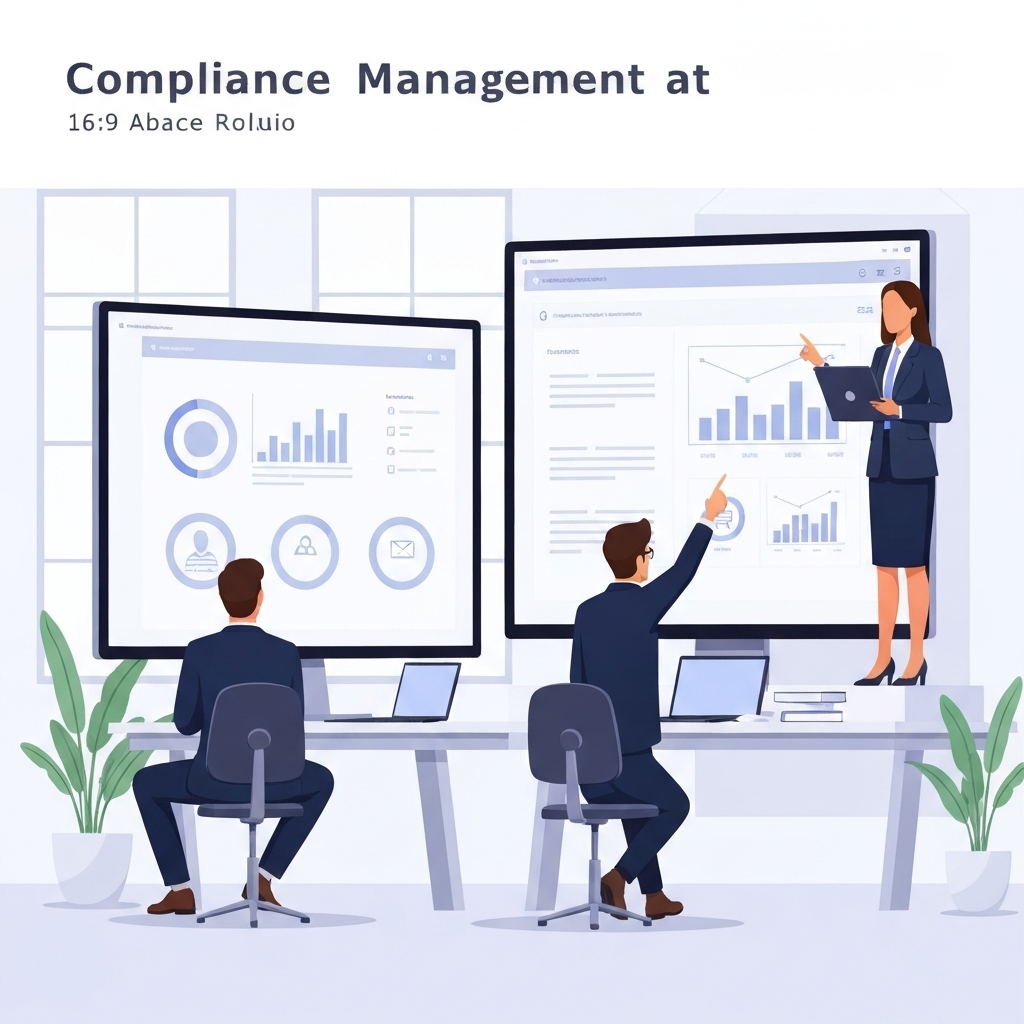
2. Key Features to Look For
Once you have a clear understanding of your compliance needs, you can begin evaluating the key features offered by different compliance management software solutions. While the specific features you prioritize will depend on your unique requirements, there are several essential capabilities that are generally considered beneficial across industries.
- Risk Assessment and Management: A robust risk assessment module is crucial for identifying, evaluating, and mitigating compliance risks. This feature should allow you to create risk profiles, assign ownership, track mitigation efforts, and monitor residual risk levels. Look for software that offers a standardized risk assessment methodology and the ability to customize the assessment process to your specific context. For example, the software should allow you to define risk categories, impact levels, and likelihood ratings to calculate an overall risk score.
- Policy Management: Effective policy management is essential for ensuring that your organization's policies are up-to-date, accessible, and consistently enforced. The software should provide a central repository for storing and managing policies, with features for version control, approval workflows, and automated distribution. Ideally, the system should also allow you to track policy acknowledgements and monitor employee compliance. For example, the policy management system can automate the process of distributing updated policies to employees and tracking their confirmation that they have read and understood the new guidelines.
- Reporting and Analytics: Comprehensive reporting and analytics capabilities are vital for monitoring compliance performance, identifying trends, and demonstrating compliance to stakeholders. The software should offer a range of pre-built reports, as well as the ability to create custom reports to meet your specific needs. Look for features such as dashboards, data visualization tools, and automated report scheduling. A strong reporting module will allow you to track key compliance metrics, such as the number of incidents reported, the percentage of employees who have completed mandatory training, or the effectiveness of risk mitigation controls.
3. Integration and Scalability
Pro Tip: Prioritize software that offers seamless integration with your existing IT infrastructure. This will streamline data flow, reduce manual effort, and improve overall efficiency.
The ability to integrate seamlessly with your existing IT systems is a critical consideration when choosing compliance management software. A standalone system that operates in isolation can create data silos, increase manual effort, and hinder overall efficiency. Look for software that offers open APIs and pre-built integrations with the other applications you use, such as your ERP system, CRM, HRMS, and document management system. For example, integrating your compliance software with your HRMS can automate the process of tracking employee training and certifications, ensuring that employees are properly qualified for their roles.
🛒 Amazon Global Deals
Shop Now: Choosing Compliance Management Software* Associate commission may be earned.
Scalability is another essential factor to consider, especially if your organization is growing or anticipates future changes in its compliance requirements. The software should be able to handle increasing volumes of data, users, and regulatory mandates without experiencing performance degradation. Look for solutions that are built on a scalable architecture and offer flexible deployment options, such as cloud-based or on-premise deployment. A scalable system ensures that your investment in compliance software will continue to provide value as your business evolves.
Furthermore, consider the vendor's track record and long-term viability. Choose a vendor with a strong reputation, a proven track record of delivering high-quality software, and a commitment to ongoing support and innovation. Research the vendor's financial stability, customer reviews, and product roadmap. Selecting a reliable and established vendor will provide you with the peace of mind that your compliance software will be supported and updated for years to come. The long-term success of your compliance program depends on the reliability and continued development of the software solution you choose.
Conclusion
Choosing the right compliance management software is a strategic investment that can significantly enhance your organization's ability to meet its regulatory obligations, mitigate risks, and protect its reputation. By carefully assessing your compliance needs, evaluating key features, and considering integration and scalability factors, you can make an informed decision that aligns with your business objectives. Remember that the selection process is not merely about finding the most technically advanced software; it's about finding a solution that fits your specific context and empowers your organization to achieve sustained compliance.
As regulatory landscapes continue to evolve, the demand for sophisticated compliance management solutions will only intensify. Future trends in this space include the increasing adoption of AI-powered automation, the integration of real-time monitoring and analytics, and the growing focus on proactive risk management. By staying abreast of these trends and investing in a future-proof compliance management solution, you can position your organization for long-term success in an increasingly complex and regulated world.
❓ Frequently Asked Questions (FAQ)
What are the key benefits of using compliance management software?
Compliance management software offers numerous advantages, including improved efficiency, reduced risk, enhanced transparency, and better reporting capabilities. By automating compliance processes, the software can free up valuable resources and reduce the likelihood of human error. Furthermore, it provides a centralized repository for all compliance-related information, making it easier to track progress, identify issues, and demonstrate compliance to stakeholders. For instance, instead of manually collecting data for audits, the software can automatically generate reports, saving time and ensuring accuracy. In the long run, a strong software solution streamlines all compliance-related tasks and ensures a proactive compliance posture.
How do I ensure that the compliance management software I choose is user-friendly?
User-friendliness is essential for ensuring that your compliance management software is adopted and effectively used by your employees. Before making a decision, request a demo or trial period to test the software's interface and functionality. Look for features such as intuitive navigation, customizable dashboards, and clear reporting options. Also, consider the availability of training resources and support documentation. For example, the software should provide online tutorials, user manuals, and responsive customer support. Gathering feedback from potential users during the evaluation process can help you identify any usability issues and ensure that the software is a good fit for your organization. The more intuitive the software, the higher the adoption rate among employees.
What is the typical cost of compliance management software?
The cost of compliance management software can vary widely depending on factors such as the size of your organization, the complexity of your compliance needs, and the specific features you require. Some vendors offer subscription-based pricing models, while others offer perpetual licenses. It's important to carefully evaluate the total cost of ownership, including implementation fees, training costs, and ongoing maintenance fees. For instance, cloud-based solutions often have lower upfront costs but may have higher long-term costs due to recurring subscription fees. Compare pricing models from different vendors and choose the one that best aligns with your budget and long-term needs. A thorough cost-benefit analysis is essential to justifying the investment in compliance management software.
Tags: #ComplianceSoftware #RiskManagement #RegulatoryCompliance #Governance #SoftwareSolutions #BusinessTech #LegalTech
🛒 Amazon Global Deals
Shop Now: Choosing Compliance Management Software* Associate commission may be earned.
⚠️ LEGAL DISCLAIMER
For Informational Purposes Only: All content provided by GGG PICK is for general informational purposes only. This content is not intended to serve as a substitute for official professional advice, technical diagnosis, or legal counsel.
Disclaimer of Warranty: While we strive to maintain the currency and accuracy of information, we do not guarantee the completeness, reliability, or real-time accuracy of the provided data. Any decisions and actions taken based on the information from this website are solely at the user's own risk.
Note: Always consult with a certified professional before making significant business or technical decisions. GGG PICK shall not be held liable for any direct or indirect loss or damage resulting from the use of this website.