Digital Sovereignty and Global IT Navigating the Future
📖 5 min read
🔥 Quick Link: Check Best Seller Prices
View "Digital Sovereignty and Global IT" on Amazon →The relentless march of technology has erased geographical boundaries, creating a global village where data flows freely across borders. However, this interconnectedness also presents significant challenges related to data security, privacy, and national interests. Digital sovereignty, the concept of a nation's right to control its digital infrastructure and data, has become increasingly crucial in this landscape. This article explores the multifaceted nature of digital sovereignty within global IT, examining the core principles, challenges, and strategies for achieving it. We will delve into the practical considerations for organizations operating in a globalized environment and explore the implications for consumers navigating an increasingly digital world. The importance of understanding digital sovereignty becomes paramount as we strive to balance innovation with security and control.
1. Understanding Digital Sovereignty
Digital sovereignty, at its core, refers to a nation's ability to govern its digital space independently and securely. This encompasses control over data, infrastructure, and digital services operating within its borders. It also includes the ability to enforce its laws and regulations in the digital realm, protecting its citizens and national interests from cyber threats and foreign influence. A sovereign digital space allows a country to promote its cultural values, foster innovation, and maintain its economic competitiveness in the global marketplace.
The concept extends beyond national governments to also encompass organizations and individuals seeking greater control over their data and digital assets. For organizations, this means having the ability to choose where their data is stored and processed, ensuring compliance with relevant regulations like GDPR or CCPA. For individuals, it translates to having greater control over their personal data, understanding how it is being used, and having the right to access, correct, or delete it. Achieving digital sovereignty often involves adopting specific technologies and strategies to mitigate risks and ensure data security.
The practical implications of digital sovereignty are far-reaching. For example, a nation might require that sensitive government data be stored and processed within its own borders to prevent foreign access or espionage. An organization might choose to implement end-to-end encryption to protect its data from unauthorized access during transit or at rest. Individuals can use privacy-focused browsers, VPNs, and encrypted messaging apps to safeguard their personal information. These actions all contribute to a more secure and controlled digital environment, bolstering digital sovereignty at various levels.
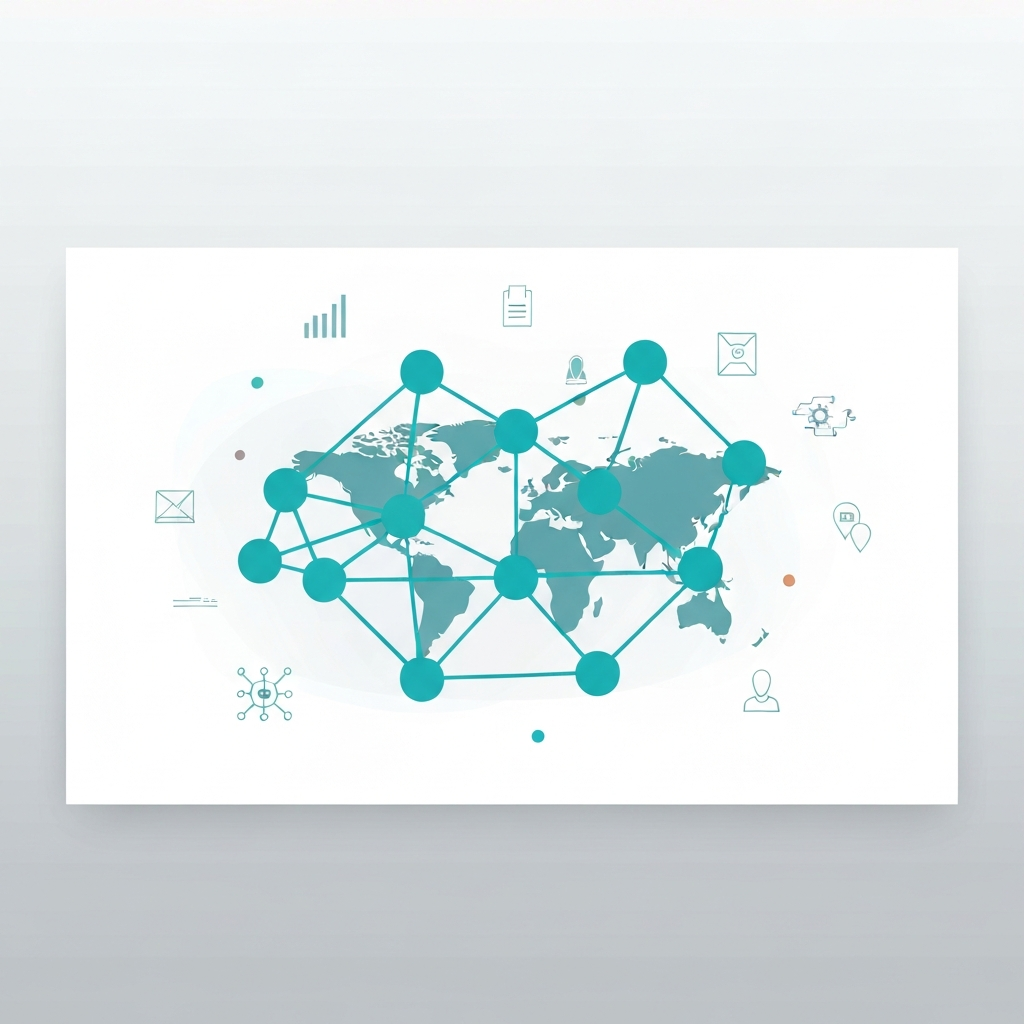
2. Key Pillars of Digital Sovereignty in IT
Achieving digital sovereignty requires a multi-faceted approach, encompassing several key pillars that work in concert to create a secure and controlled digital environment. These pillars include data localization, technological independence, and regulatory frameworks.
- Data Localization: Data localization involves storing and processing data within the geographical boundaries of a particular country. This is often driven by concerns about data privacy, security, and compliance with local regulations. By keeping data within its borders, a nation can exercise greater control over its access and usage, reducing the risk of foreign surveillance or interference. However, data localization can also create barriers to cross-border data flows, potentially hindering international trade and collaboration.
- Technological Independence: Technological independence refers to a nation's ability to develop, produce, and maintain its own technology infrastructure and capabilities. This reduces reliance on foreign vendors and technologies, mitigating the risk of supply chain disruptions, security vulnerabilities, and vendor lock-in. Achieving technological independence requires investment in research and development, education, and talent development. It also involves fostering a vibrant domestic tech industry that can compete effectively in the global marketplace.
- Regulatory Frameworks: Regulatory frameworks play a crucial role in defining the rules and regulations governing the digital space. These frameworks must address issues such as data privacy, cybersecurity, intellectual property rights, and content moderation. They should be clear, consistent, and enforceable, providing a level playing field for businesses and protecting the rights of individuals. Effective regulatory frameworks are essential for fostering trust and confidence in the digital environment, promoting innovation, and ensuring accountability.
3. Navigating the Challenges and Opportunities
Pro Tip: When selecting cloud service providers, prioritize those with robust data residency options and compliance certifications relevant to your region and industry.
The pursuit of digital sovereignty is not without its challenges. Balancing the need for control with the benefits of global interconnectedness is a delicate act. Data localization policies, while intended to enhance security, can also fragment the global digital economy, hindering innovation and increasing costs for businesses. Similarly, efforts to achieve technological independence can be expensive and time-consuming, potentially slowing down the pace of technological advancement.
🛒 Amazon Global Deals
Shop Now: Digital Sovereignty and Global IT* Associate commission may be earned.
Successfully navigating these challenges requires a strategic approach that considers both the short-term and long-term implications of policy decisions. Governments and organizations should focus on building robust cybersecurity capabilities, fostering international cooperation, and promoting open standards and interoperability. Investing in education and training is also crucial for developing a skilled workforce that can support the digital economy and protect against cyber threats. Collaboration between government, industry, and academia is essential for creating a thriving and secure digital ecosystem.
Despite the challenges, digital sovereignty also presents significant opportunities. By strengthening their digital infrastructure and capabilities, nations can enhance their economic competitiveness, improve citizen services, and protect their national interests. Organizations can leverage digital sovereignty to build trust with their customers, comply with relevant regulations, and gain a competitive advantage. Individuals can exercise greater control over their data and digital identities, empowering them to participate more fully in the digital world.
Conclusion
Digital sovereignty is no longer a theoretical concept but a practical necessity in today's interconnected world. As nations and organizations grapple with the challenges of data security, privacy, and control, the pursuit of digital sovereignty will continue to be a central theme in the global IT landscape. A strategic approach that balances the need for control with the benefits of global interconnectedness is essential for achieving a secure, resilient, and prosperous digital future. Embracing digital sovereignty is about more than just protecting data; it's about empowering nations, organizations, and individuals to thrive in the digital age.
Looking ahead, we can expect to see increased focus on technologies that support digital sovereignty, such as homomorphic encryption, federated learning, and decentralized data storage. Governments will likely continue to refine their regulatory frameworks to address emerging challenges and opportunities in the digital space. Ultimately, the success of digital sovereignty initiatives will depend on collaboration, innovation, and a commitment to building a more secure and equitable digital world.
❓ Frequently Asked Questions (FAQ)
What are some practical steps individuals can take to enhance their digital sovereignty?
Individuals can take several concrete steps to enhance their digital sovereignty. These include using strong, unique passwords for all online accounts, enabling two-factor authentication whenever possible, and being mindful of the personal information they share online. It is also beneficial to use privacy-focused browsers, VPNs, and encrypted messaging apps to protect their data from surveillance and unauthorized access. Regularly reviewing privacy settings on social media platforms and other online services is crucial for controlling the information shared and limiting data collection.
How does digital sovereignty impact cloud computing strategies for businesses?
Digital sovereignty significantly influences cloud computing strategies for businesses, especially those operating in multiple countries. Businesses must carefully consider data residency requirements and choose cloud providers that offer data localization options in the regions where they operate. This often involves selecting providers with data centers located within specific countries or regions and ensuring that data processing also occurs within those boundaries. Additionally, businesses need to assess the cloud provider's compliance with relevant regulations, such as GDPR or CCPA, and implement appropriate security measures to protect data from unauthorized access and breaches.
What are the potential economic implications of data localization policies?
Data localization policies can have both positive and negative economic implications. On the one hand, they can stimulate the growth of domestic data center industries, creating jobs and attracting investment. They can also enhance data security and privacy, potentially increasing consumer trust and confidence in the digital economy. However, data localization policies can also fragment the global digital economy, hindering cross-border data flows and increasing costs for businesses. This can particularly impact smaller businesses that lack the resources to comply with diverse data localization requirements in different countries. Studies suggest that overly restrictive data localization policies can reduce economic growth and innovation by limiting access to global markets and technologies.
Tags: #DigitalSovereignty #GlobalIT #DataPrivacy #Cybersecurity #TechPolicy #DataLocalization #CloudComputing
🛒 Amazon Global Deals
Shop Now: Digital Sovereignty and Global IT* Associate commission may be earned.
⚠️ LEGAL DISCLAIMER
For Informational Purposes Only: All content provided by GGG PICK is for general informational purposes only. This content is not intended to serve as a substitute for official professional advice, technical diagnosis, or legal counsel.
Disclaimer of Warranty: While we strive to maintain the currency and accuracy of information, we do not guarantee the completeness, reliability, or real-time accuracy of the provided data. Any decisions and actions taken based on the information from this website are solely at the user's own risk.
Note: Always consult with a certified professional before making significant business or technical decisions. GGG PICK shall not be held liable for any direct or indirect loss or damage resulting from the use of this website.