Managing Remote Workforce Geopolitically A Global Guide
📖 5 min read
🔥 Quick Link: Check Best Seller Prices
View "Managing Remote Workforce Geopolitically" on Amazon →The rise of remote work has transformed businesses, enabling access to talent pools previously limited by geographical boundaries. However, managing a distributed workforce introduces a new layer of complexity – geopolitical considerations. Successfully navigating these challenges requires a deep understanding of international laws, cultural differences, and economic factors that can impact team dynamics and productivity. Companies must implement strategic frameworks to mitigate risks and leverage the benefits of a globally diverse remote team. This involves carefully planning communication strategies, adapting to different time zones and work styles, and ensuring compliance with regulations in various jurisdictions. Addressing these geopolitical elements head-on is crucial for building a sustainable and successful remote work model.
1. Understanding Geopolitical Influences on Remote Work
Geopolitics, encompassing the interplay of geography, politics, and economics, significantly shapes the remote work landscape. Laws governing data privacy, employment contracts, and intellectual property vary widely across nations, directly influencing how companies operate globally. For example, the European Union's General Data Protection Regulation (GDPR) imposes stringent rules on data handling, requiring businesses to implement robust security measures for employees based in EU countries. Ignoring these regulatory differences can lead to severe penalties and reputational damage.
Beyond legal compliance, cultural norms regarding communication, work ethic, and hierarchy influence team dynamics. In some cultures, direct and assertive communication is the norm, while others prioritize indirectness and politeness. Similarly, attitudes toward work-life balance and adherence to schedules can differ significantly. To illustrate, consider a project involving team members from Japan and the United States. Japanese employees may value consensus-building and meticulous planning, while their American counterparts might favor a more agile and improvisational approach. A failure to recognize and reconcile these differences can lead to misunderstandings, delays, and decreased team morale. Companies can mitigate these risks by providing cultural sensitivity training and fostering open communication channels where employees feel comfortable expressing their perspectives.
Economic instability and political unrest in certain regions can also disrupt remote operations. Fluctuations in currency exchange rates, trade wars, and political instability can impact project costs, timelines, and the overall business environment. Companies should therefore carefully assess the geopolitical risks associated with each location where they employ remote workers. Diversifying the geographical distribution of the workforce can help mitigate the impact of localized disruptions. Additionally, developing contingency plans to address potential crises, such as political instability or natural disasters, is essential for ensuring business continuity.
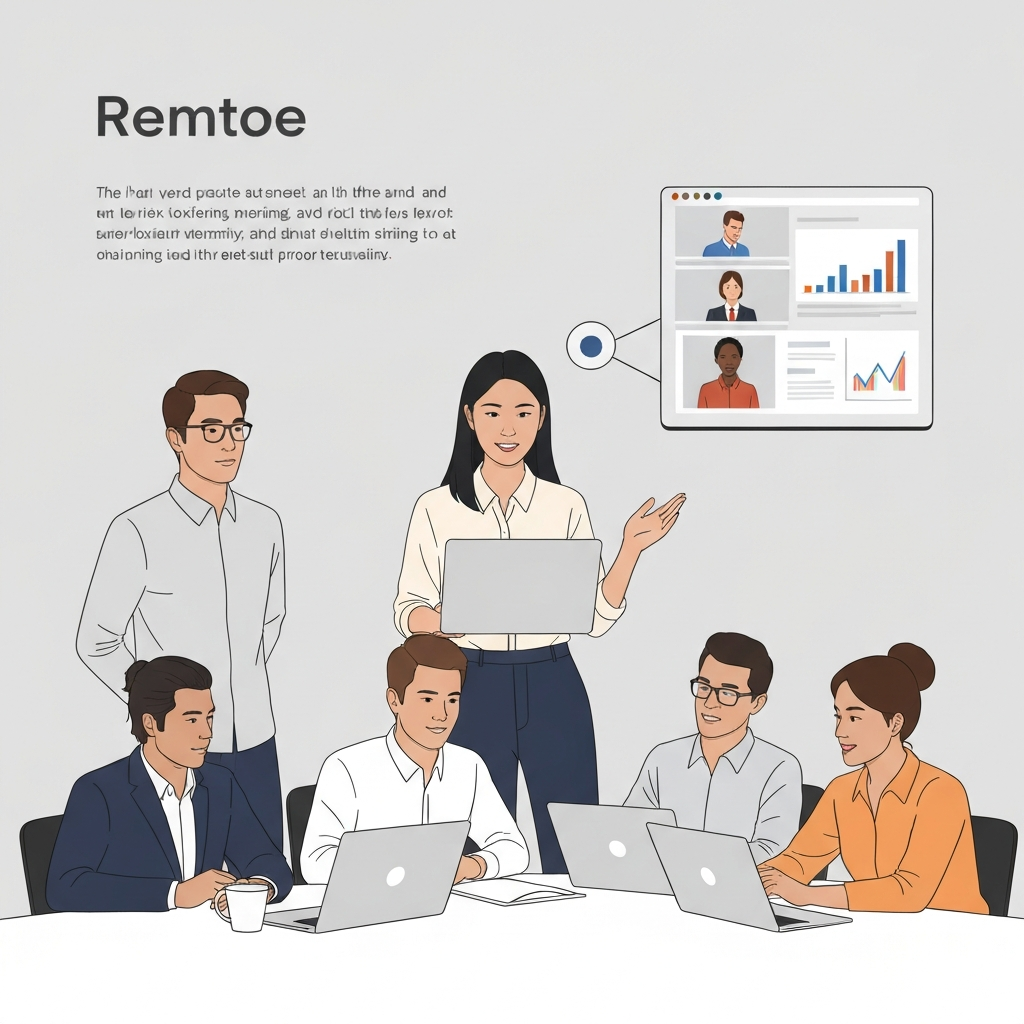
2. Key Strategies for Geopolitical Remote Workforce Management
Effective management of a geographically dispersed team requires a proactive and strategic approach. Several key elements must be considered to ensure smooth operations and a productive work environment.
- Compliance and Legal Considerations: Navigating international labor laws, data privacy regulations (like GDPR), and tax requirements is paramount. Companies must ensure that their remote work policies align with the laws of each country where their employees are located. This involves conducting thorough legal research, engaging with local legal experts, and implementing robust compliance protocols. For instance, employers need to understand the nuances of employment contracts, working hours, and termination policies in different jurisdictions. Failure to comply with these regulations can result in legal liabilities and financial penalties.
- Cultural Sensitivity and Communication: Building a culturally intelligent workforce necessitates promoting understanding and respect for diverse cultural norms and communication styles. Companies can achieve this through cultural sensitivity training programs, cross-cultural communication workshops, and initiatives that encourage employees to learn about different cultures. Clear and transparent communication is equally vital. Establishing communication protocols that accommodate different time zones and preferred communication methods can prevent misunderstandings and ensure that all team members are well-informed. Video conferencing tools, instant messaging platforms, and project management software can facilitate seamless communication and collaboration across geographical boundaries.
- Technology Infrastructure and Security: Providing reliable and secure technology infrastructure is crucial for enabling remote employees to work effectively. This includes access to high-speed internet, secure virtual private networks (VPNs), and collaborative software tools. Companies should also implement robust cybersecurity measures to protect sensitive data from unauthorized access and cyber threats. Regular security audits, employee training on cybersecurity best practices, and the use of encryption technologies can help mitigate these risks. Additionally, companies should provide technical support to remote employees to address any technical issues that may arise.
3. Leveraging Technology for Global Team Collaboration
Pro Tip: Invest in a unified communication platform that integrates video conferencing, instant messaging, and project management tools to streamline collaboration and communication across your global team.
Technology plays a pivotal role in facilitating collaboration and communication among globally distributed teams. Utilizing the right tools can bridge geographical distances and foster a sense of connection and cohesion among team members. A unified communication platform can centralize all communication channels, making it easier for employees to stay connected and informed. Video conferencing enables face-to-face interactions, fostering stronger relationships and reducing the potential for miscommunication. Instant messaging platforms facilitate quick and informal communication, allowing employees to address urgent issues in real-time. Project management software provides a centralized hub for managing tasks, tracking progress, and sharing documents.
🛒 Amazon Global Deals
Shop Now: Managing Remote Workforce Geopolitically* Associate commission may be earned.
Beyond communication tools, companies can leverage technology to enhance cultural understanding and promote inclusivity. Virtual cultural exchange programs, online language learning platforms, and digital libraries can provide employees with opportunities to learn about different cultures and expand their global awareness. Artificial intelligence (AI) powered translation tools can facilitate communication across language barriers, enabling employees to collaborate more effectively with colleagues from diverse linguistic backgrounds. Additionally, virtual reality (VR) and augmented reality (AR) technologies can create immersive experiences that promote empathy and understanding among team members. For instance, VR simulations can allow employees to experience what it's like to work in a different cultural context, fostering greater appreciation for diverse perspectives.
Security is a major consideration when using technology to manage a remote workforce. Ensuring that all communication channels and data storage systems are secure is essential for protecting sensitive information from cyber threats. Companies should implement multi-factor authentication, encryption, and regular security audits to mitigate these risks. Employees should also be trained on cybersecurity best practices, such as avoiding phishing scams and using strong passwords. Additionally, companies should establish clear protocols for handling data breaches and other security incidents. By prioritizing security, companies can create a safe and secure environment for their remote workforce to collaborate and communicate effectively.
Conclusion
Managing a remote workforce in today's geopolitical landscape requires a strategic and multifaceted approach. Companies must prioritize compliance with international laws, foster cultural sensitivity, and leverage technology to enhance collaboration and communication. By addressing these challenges head-on, businesses can unlock the full potential of a globally diverse workforce and achieve sustainable growth. A proactive approach not only ensures compliance but also cultivates a work environment where every team member feels valued, respected, and empowered to contribute their best.
The future of remote work will likely be shaped by emerging technologies and evolving geopolitical dynamics. As AI, VR, and other innovations continue to advance, companies will have new opportunities to enhance collaboration, promote cultural understanding, and improve the overall remote work experience. Staying informed about these trends and adapting strategies accordingly is crucial for maintaining a competitive edge in the global marketplace. Companies must remain agile and adaptable, embracing new technologies and approaches to managing their remote workforce in an ever-changing world.
❓ Frequently Asked Questions (FAQ)
How do I ensure compliance with international labor laws when hiring remote workers?
Ensuring compliance requires a multi-pronged approach. First, conduct thorough legal research to understand the specific labor laws in each country where you hire remote workers. This includes regulations related to employment contracts, working hours, minimum wage, termination policies, and employee benefits. Second, engage with local legal experts to obtain advice and guidance on compliance matters. These experts can help you navigate the complexities of international labor law and ensure that your remote work policies are legally sound. Finally, implement robust compliance protocols to monitor and enforce adherence to labor laws. This includes conducting regular audits, providing training to employees on their rights and responsibilities, and establishing clear channels for reporting and addressing violations.
What are some effective strategies for managing time zone differences in a global remote team?
Managing time zone differences effectively requires careful planning and communication. First, establish core working hours that overlap across different time zones, allowing team members to collaborate in real-time. Second, use asynchronous communication tools, such as email, instant messaging, and project management software, to facilitate communication outside of core working hours. Third, be mindful of the impact of meetings on team members in different time zones. Rotate meeting times to accommodate different schedules and avoid scheduling meetings late at night or early in the morning for certain team members. Finally, encourage flexibility and autonomy, allowing team members to manage their schedules and work at times that are most convenient for them.
How can I foster a sense of community and inclusivity in a remote global team?
Building a strong sense of community in a remote global team necessitates intentional effort and proactive initiatives. One effective strategy is to organize virtual social events, such as online coffee breaks, team-building games, and cultural exchange sessions. These events provide opportunities for team members to connect on a personal level, build relationships, and learn about each other's cultures. Another approach is to create online forums and communities where team members can share information, ask questions, and provide support. These platforms can foster a sense of belonging and encourage collaboration. Furthermore, it's crucial to promote inclusivity by valuing diverse perspectives, encouraging open communication, and providing equal opportunities for all team members. Regularly solicit feedback from team members and address any concerns or issues promptly.
Tags: #RemoteWork #GlobalTeams #Geopolitics #HRManagement #InternationalBusiness #TechInnovation #WorkplaceCulture
🛒 Amazon Global Deals
Shop Now: Managing Remote Workforce Geopolitically* Associate commission may be earned.
⚠️ LEGAL DISCLAIMER
For Informational Purposes Only: All content provided by GGG PICK is for general informational purposes only. This content is not intended to serve as a substitute for official professional advice, technical diagnosis, or legal counsel.
Disclaimer of Warranty: While we strive to maintain the currency and accuracy of information, we do not guarantee the completeness, reliability, or real-time accuracy of the provided data. Any decisions and actions taken based on the information from this website are solely at the user's own risk.
Note: Always consult with a certified professional before making significant business or technical decisions. GGG PICK shall not be held liable for any direct or indirect loss or damage resulting from the use of this website.