Sovereign Cloud Geopolitical Implications
📖 5 min read
🔥 Quick Link: Check Best Seller Prices
View "Sovereign Cloud Geopolitical Implications" on Amazon →In an increasingly interconnected world, data has emerged as a critical asset, rivaling traditional resources like oil and gold in strategic importance. Sovereign cloud solutions, which involve storing and processing data within a nation's borders under its legal jurisdiction, have become a focal point for governments seeking to protect sensitive information, bolster national security, and promote digital sovereignty. This trend is not merely a technological shift; it represents a profound geopolitical realignment, impacting international relations, trade agreements, and the balance of power in the digital realm. As more countries embrace sovereign cloud, it's essential to understand the far-reaching implications of this movement on the global stage. The implications are especially important for global tech providers that want to provide IT gadgets, smart home ecosystems, and global tech innovations available on Amazon and other retailers.
1. Understanding Sovereign Cloud
Sovereign cloud refers to a cloud computing environment where data is stored and processed within the geographical boundaries of a specific country, adhering to its local laws and regulations. This contrasts with traditional public cloud services, where data may reside in multiple locations around the world, potentially subject to different legal jurisdictions. The concept of sovereign cloud often involves stringent data residency requirements, meaning that data must be physically stored within the country's borders and cannot be transferred to other locations without explicit government approval. Furthermore, sovereign cloud providers often require that their operations, including personnel and infrastructure, be subject to local regulations and oversight.
The driving force behind sovereign cloud adoption stems from a combination of national security concerns, data privacy regulations, and economic development objectives. Governments are increasingly wary of entrusting sensitive data, such as citizen records, financial information, and classified intelligence, to foreign cloud providers, fearing potential surveillance, data breaches, or undue influence from other nations. Stricter data privacy laws, such as the European Union's General Data Protection Regulation (GDPR), have also compelled organizations to adopt sovereign cloud solutions to ensure compliance with data residency requirements. The desire to foster local innovation and create jobs in the technology sector further fuels the adoption of sovereign cloud, as governments seek to support domestic cloud providers and reduce reliance on foreign technology vendors.
The practical implications of sovereign cloud are significant for both governments and businesses operating in a globalized economy. For governments, sovereign cloud can enhance national security, improve regulatory compliance, and promote economic growth. However, it can also lead to increased costs, limited access to cutting-edge technologies, and potential fragmentation of the global cloud market. For businesses, sovereign cloud can provide greater assurance of data privacy and security, but it may also require significant investments in infrastructure and expertise to comply with local regulations. Companies must carefully evaluate the costs and benefits of sovereign cloud solutions, considering their specific needs and risk profiles.
2. Geopolitical Implications of Sovereign Cloud
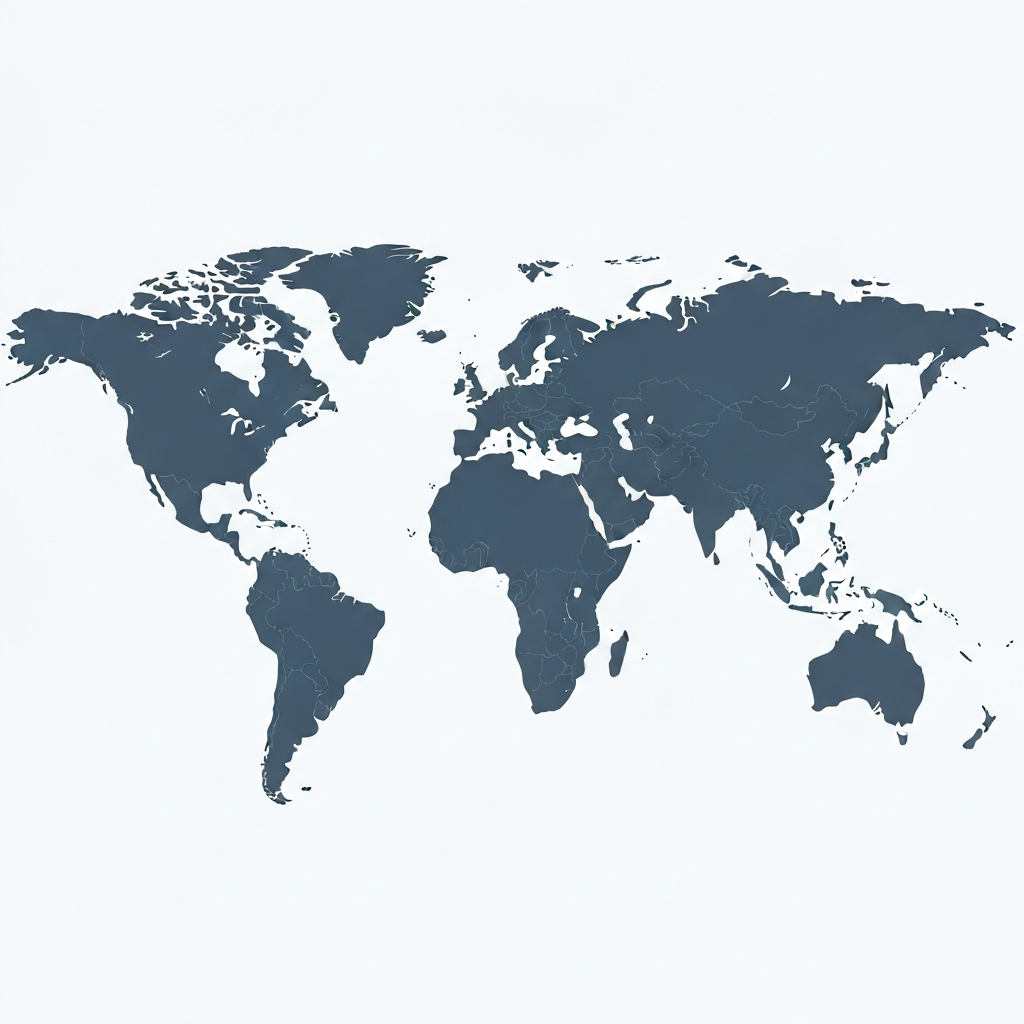
The rise of sovereign cloud has profound geopolitical implications, reshaping the landscape of international relations, trade, and security. As countries assert greater control over their data and digital infrastructure, it creates new challenges and opportunities for global cooperation and competition.
- Data Localization and Trade Barriers: Data localization policies, often associated with sovereign cloud initiatives, can create significant barriers to international trade. Requiring companies to store and process data within a specific country's borders can increase costs, reduce efficiency, and limit access to global markets. This can lead to trade disputes and retaliatory measures, disrupting the flow of goods, services, and information across borders. For example, some countries mandate that certain types of data, such as financial or healthcare information, must be stored locally, effectively preventing foreign cloud providers from offering their services in those markets.
- National Security and Cybersecurity: Sovereign cloud can enhance national security by reducing reliance on foreign technology vendors and providing greater control over data security. However, it can also create new vulnerabilities if not implemented properly. Fragmented cloud infrastructure and inconsistent security standards can make it more difficult to detect and respond to cyber threats. Furthermore, the concentration of sensitive data within a single country's borders can make it a more attractive target for espionage and cyberattacks. The use of domestically developed cloud solutions can also raise concerns about potential backdoors or vulnerabilities that could be exploited by the government.
- Digital Sovereignty and Geopolitical Influence: The concept of digital sovereignty, closely linked to sovereign cloud, refers to a nation's ability to control its digital infrastructure, data, and online activities. By asserting digital sovereignty, countries seek to protect their cultural values, promote their economic interests, and resist foreign interference in their domestic affairs. However, the pursuit of digital sovereignty can also lead to increased censorship, surveillance, and restrictions on internet freedom. The control over data and digital infrastructure can be leveraged to exert geopolitical influence, potentially leading to new forms of digital colonialism or cyber warfare.
3. Navigating the Sovereign Cloud Landscape
Pro Tip: When evaluating sovereign cloud solutions, prioritize providers with robust security certifications and compliance frameworks, such as ISO 27001, SOC 2, and FedRAMP. Ensure they have a proven track record of protecting sensitive data and adhering to local regulations.
Navigating the complex landscape of sovereign cloud requires a strategic approach that balances the benefits of data sovereignty with the need for global interoperability and innovation. Governments and businesses must work together to develop clear and consistent regulatory frameworks that promote data protection while minimizing barriers to trade and investment. International cooperation is essential to establish common standards for data security, privacy, and governance. This will enable organizations to move data seamlessly across borders while ensuring that it is protected and used responsibly.
🛒 Amazon Global Deals
Shop Now: Sovereign Cloud Geopolitical Implications* Associate commission may be earned.
For businesses, the key to success in the sovereign cloud era lies in adopting a flexible and adaptable approach to cloud strategy. This includes evaluating the specific data residency requirements of each country in which they operate and selecting cloud solutions that meet those requirements. It also means investing in tools and technologies that enable them to manage data across multiple cloud environments and ensure compliance with local regulations. Organizations should also prioritize data security and privacy, implementing robust security controls and data governance policies to protect sensitive information.
Ultimately, the value of sovereign cloud depends on its ability to strike a balance between national interests and global cooperation. By promoting data protection, enhancing national security, and fostering innovation, sovereign cloud can contribute to a more secure and prosperous digital future. However, it is crucial to avoid protectionist measures that fragment the global cloud market and stifle innovation. The goal should be to create a level playing field where businesses can compete fairly and consumers can benefit from the best possible cloud services.
Conclusion
Sovereign cloud represents a significant shift in the global cloud landscape, driven by concerns about data security, privacy, and national sovereignty. While it offers numerous benefits, including enhanced data protection and greater control over digital infrastructure, it also poses challenges to international trade, innovation, and cybersecurity. Understanding the geopolitical implications of sovereign cloud is crucial for governments and businesses alike as they navigate this evolving environment.
The future of sovereign cloud will depend on the ability of nations to balance their national interests with the need for global cooperation and interoperability. Clear and consistent regulatory frameworks, international standards, and a commitment to data security and privacy will be essential to unlock the full potential of sovereign cloud. As technology continues to evolve, sovereign cloud will likely become an increasingly important factor in shaping the geopolitical landscape and the future of the digital economy.
❓ Frequently Asked Questions (FAQ)
What are the key differences between sovereign cloud and public cloud?
The primary difference lies in data residency and control. In a sovereign cloud, data is stored and processed within a specific country's borders, adhering to its local laws and regulations. Public cloud services, on the other hand, often store data in multiple locations globally, potentially subject to different legal jurisdictions. Sovereign cloud also typically involves stricter security requirements and greater government oversight compared to public cloud environments, aiming to bolster data protection and national security.
How does sovereign cloud impact businesses operating internationally?
Sovereign cloud can significantly impact businesses by introducing new compliance requirements and potentially increasing operational costs. Companies must carefully evaluate the data residency regulations of each country where they operate and choose cloud solutions that meet those requirements. This may involve segmenting data across multiple sovereign cloud environments, investing in localized infrastructure, and adapting data governance policies to comply with local laws. Failure to comply with sovereign cloud regulations can result in fines, legal penalties, and reputational damage.
What are the potential risks associated with sovereign cloud?
While sovereign cloud offers numerous benefits, it also presents potential risks, including increased costs, limited access to cutting-edge technologies, and potential fragmentation of the global cloud market. Data localization policies can create barriers to international trade and investment, hindering innovation and economic growth. Fragmented cloud infrastructure and inconsistent security standards can make it more difficult to detect and respond to cyber threats. The concentration of sensitive data within a single country's borders can also make it a more attractive target for espionage and cyberattacks. Therefore, careful consideration must be taken when considering sovereign cloud.
Tags: #SovereignCloud #DataSovereignty #Geopolitics #CloudComputing #DataPrivacy #Cybersecurity #DigitalTransformation
🛒 Amazon Global Deals
Shop Now: Sovereign Cloud Geopolitical Implications* Associate commission may be earned.
⚠️ LEGAL DISCLAIMER
For Informational Purposes Only: All content provided by GGG PICK is for general informational purposes only. This content is not intended to serve as a substitute for official professional advice, technical diagnosis, or legal counsel.
Disclaimer of Warranty: While we strive to maintain the currency and accuracy of information, we do not guarantee the completeness, reliability, or real-time accuracy of the provided data. Any decisions and actions taken based on the information from this website are solely at the user's own risk.
Note: Always consult with a certified professional before making significant business or technical decisions. GGG PICK shall not be held liable for any direct or indirect loss or damage resulting from the use of this website.