Underwater Data Center Sustainability A Deep Dive
📖 5 min read
🔥 Quick Link: Check Best Seller Prices
View "Underwater Data Center Sustainability" on Amazon →The ever-increasing demand for data storage and processing power is placing a significant strain on our planet's resources. Traditional data centers consume vast amounts of energy, primarily for cooling, contributing substantially to carbon emissions and escalating operational costs. In response to these challenges, the concept of underwater data centers has emerged as a promising solution, offering a unique blend of environmental and economic advantages. These submerged facilities leverage the ocean's natural cooling properties, drastically reducing energy consumption and improving overall efficiency. This article explores the potential of underwater data centers to revolutionize the technology landscape, examining their benefits, challenges, and future prospects in a world increasingly focused on sustainability.
1. The Promise of Submerged Servers
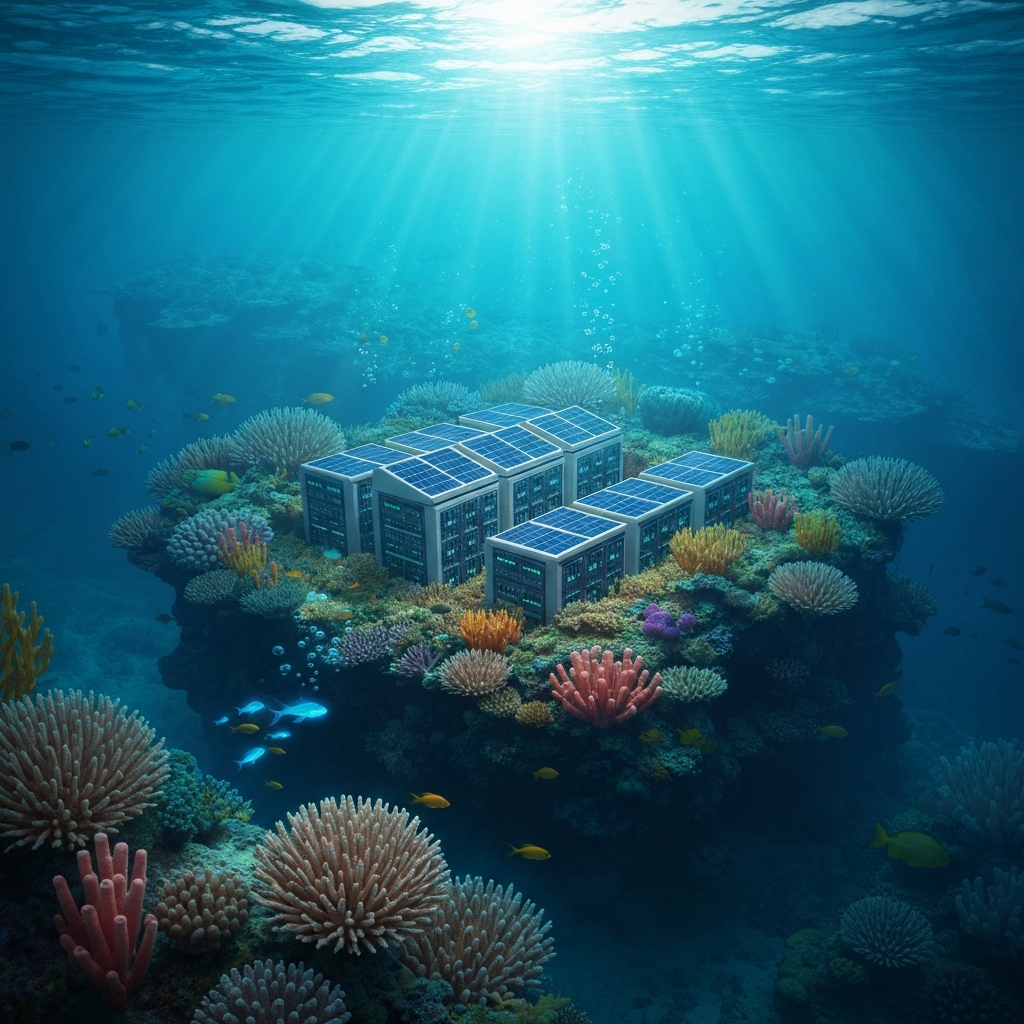
Underwater data centers represent a paradigm shift in how we approach data storage and processing. By placing servers in sealed containers on the ocean floor, these facilities harness the natural cooling capabilities of the ocean. This eliminates the need for energy-intensive cooling systems, which are a major source of energy consumption in traditional data centers. The consistent and cool temperatures of the deep sea provide an ideal environment for servers, reducing the risk of overheating and improving their overall performance and lifespan.
The impact on energy consumption is substantial. Studies have shown that underwater data centers can reduce cooling energy consumption by up to 90% compared to land-based facilities. This translates into significant cost savings for operators and a smaller carbon footprint for the tech industry. Furthermore, the modular design of these data centers allows for easy scalability, making them well-suited to meet the growing demands of the digital age. For example, Microsoft's Project Natick successfully demonstrated the feasibility of underwater data centers, showcasing their ability to operate reliably and efficiently in a marine environment.
The implications of this technology extend beyond mere energy savings. By reducing the reliance on fossil fuels for cooling, underwater data centers contribute to a more sustainable and environmentally friendly tech industry. They also offer the potential to bring data storage and processing closer to coastal populations, reducing latency and improving network performance. This can have a particularly significant impact in areas with limited access to traditional data center infrastructure.
2. Key Advantages of Underwater Data Centers
Underwater data centers offer a compelling array of advantages over their land-based counterparts. These benefits span environmental sustainability, cost efficiency, and enhanced performance, making them an increasingly attractive option for businesses and organizations looking to minimize their environmental impact and optimize their operations. Let’s dive deeper into the core advantages.
- Reduced Energy Consumption: As previously mentioned, the primary advantage of underwater data centers is their ability to significantly reduce energy consumption for cooling. The ocean's natural cooling properties eliminate the need for energy-intensive air conditioning systems, which can account for a substantial portion of a traditional data center's energy bill. This reduction in energy consumption translates into lower operating costs and a smaller carbon footprint.
- Improved Server Performance and Lifespan: The consistent and cool temperatures of the deep sea provide an ideal environment for servers, preventing overheating and improving their overall performance. Studies have shown that servers in underwater data centers experience fewer failures and have a longer lifespan compared to those in land-based facilities. This reduces the need for frequent replacements and minimizes electronic waste.
- Proximity to Coastal Populations: Locating data centers closer to coastal populations can significantly reduce latency and improve network performance. This is particularly beneficial for applications that require real-time data processing, such as online gaming, streaming video, and financial transactions. By bringing data storage and processing closer to users, underwater data centers can enhance the user experience and improve overall network efficiency.
3. Overcoming the Challenges
Pro Tip: Rigorous environmental impact assessments and careful site selection are crucial to mitigating potential harm to marine ecosystems.
While underwater data centers offer numerous advantages, they also present a unique set of challenges that must be addressed to ensure their long-term viability and sustainability. These challenges range from environmental concerns to technological hurdles and regulatory considerations. Addressing these issues proactively is essential for unlocking the full potential of this innovative technology.
🛒 Amazon Global Deals
Shop Now: Underwater Data Center Sustainability* Associate commission may be earned.
One of the primary concerns is the potential impact on marine ecosystems. The deployment of underwater data centers requires careful site selection to avoid sensitive habitats and minimize disruption to marine life. Additionally, the materials used in the construction of these facilities must be environmentally friendly and non-toxic to prevent pollution. Regular monitoring and maintenance are also crucial to ensure that the data centers are operating safely and responsibly. Moreover, the electromagnetic fields (EMF) emitted by the data centers need thorough investigation to determine if they pose any threat to marine species. The potential for thermal pollution, even minimal, also needs assessment to avoid disrupting local marine environments.
Technological challenges include ensuring the long-term reliability and durability of the data centers in a harsh marine environment. The containers must be designed to withstand the immense pressure of the deep sea and protect the servers from corrosion and water damage. Regular maintenance and repairs can be difficult and costly, requiring specialized equipment and expertise. Furthermore, developing efficient and cost-effective methods for power and data transmission is crucial for the success of underwater data centers. Innovative solutions such as undersea cables and renewable energy sources are being explored to address these challenges.
Conclusion
Underwater data centers represent a bold and innovative approach to addressing the growing demands of the digital age while minimizing environmental impact. By harnessing the natural cooling power of the ocean, these facilities offer the potential to significantly reduce energy consumption, improve server performance, and bring data storage and processing closer to coastal populations. Overcoming the challenges associated with this technology requires careful planning, rigorous environmental assessments, and ongoing innovation.
As the world becomes increasingly reliant on data, sustainable solutions like underwater data centers will play a crucial role in shaping the future of the tech industry. With continued research, development, and responsible implementation, these submerged facilities have the potential to transform the way we store and process data, creating a more sustainable and efficient digital world. The convergence of technology and environmental stewardship is not just a trend, but a necessity for a future where innovation serves both human needs and planetary health.
❓ Frequently Asked Questions (FAQ)
How do underwater data centers impact marine life?
The impact on marine life is a key concern. Careful site selection is paramount to avoid sensitive habitats. Construction materials should be environmentally friendly and non-toxic to prevent pollution. Ongoing monitoring ensures safe and responsible operation, mitigating potential harm to marine ecosystems. Furthermore, research is needed to fully understand the long-term effects of EMF emissions and thermal discharge on marine species.
What are the main technological hurdles for underwater data centers?
Ensuring long-term reliability in a harsh marine environment poses a significant technological hurdle. The containers must withstand immense pressure and prevent corrosion. Maintenance and repairs can be challenging and costly. Efficient power and data transmission methods are crucial, requiring innovations in undersea cabling and renewable energy integration. Addressing these challenges is key to making underwater data centers a viable long-term solution.
Are underwater data centers cost-effective compared to traditional data centers?
While the initial investment might be higher due to specialized equipment and deployment costs, underwater data centers offer significant long-term cost savings. Reduced energy consumption for cooling translates to lower operating expenses. Improved server performance and lifespan minimize the need for frequent replacements. Proximity to coastal populations can also reduce latency costs. A comprehensive cost-benefit analysis is crucial to determine the overall economic viability of underwater data centers in specific scenarios.
Tags: #UnderwaterDataCenters #Sustainability #TechInnovation #GreenIT #DataStorage #EcoFriendlyTech #CloudComputing
🛒 Amazon Global Deals
Shop Now: Underwater Data Center Sustainability* Associate commission may be earned.
⚠️ LEGAL DISCLAIMER
For Informational Purposes Only: All content provided by GGG PICK is for general informational purposes only. This content is not intended to serve as a substitute for official professional advice, technical diagnosis, or legal counsel.
Disclaimer of Warranty: While we strive to maintain the currency and accuracy of information, we do not guarantee the completeness, reliability, or real-time accuracy of the provided data. Any decisions and actions taken based on the information from this website are solely at the user's own risk.
Note: Always consult with a certified professional before making significant business or technical decisions. GGG PICK shall not be held liable for any direct or indirect loss or damage resulting from the use of this website.