Secure Cloud Storage Buyer Guide
📖 5 min read
🔥 Quick Link: Check Best Seller Prices
View "Secure Cloud Storage Buyer Guide" on Amazon →In today's digital age, securing our data has never been more crucial. From personal photos and videos to sensitive business documents, the sheer volume of information we generate and store is staggering. This is where cloud storage comes in, offering a convenient and accessible solution for backing up and managing our digital lives. However, with numerous providers vying for our attention, choosing the right secure cloud storage option can feel overwhelming. This buyer’s guide is designed to navigate you through the key considerations, ensuring your data remains safe, accessible, and compliant with global standards.
1. Understanding Your Cloud Storage Needs
Before diving into specific providers, it's essential to assess your individual or business needs. Consider the type of data you'll be storing, the amount of storage you require, your budget, and any specific security or compliance requirements you may have. Different providers cater to different needs, offering varying levels of security, features, and pricing.
For instance, a small business handling sensitive customer data will have vastly different requirements than an individual simply backing up personal photos. The business needs to prioritize encryption, access controls, and compliance with regulations like GDPR or HIPAA. Conversely, an individual might prioritize ease of use, affordability, and generous storage limits for media files. Properly identifying your specific requirements is the first step toward choosing the right cloud storage solution.
Thinking about your future storage needs is also crucial. Data tends to grow over time, so selecting a provider that offers scalable storage options can save you headaches down the road. Many providers offer tiered pricing plans, allowing you to upgrade your storage capacity as needed. Additionally, consider whether you need features like file versioning, collaboration tools, or mobile access.
2. Key Security Features to Consider
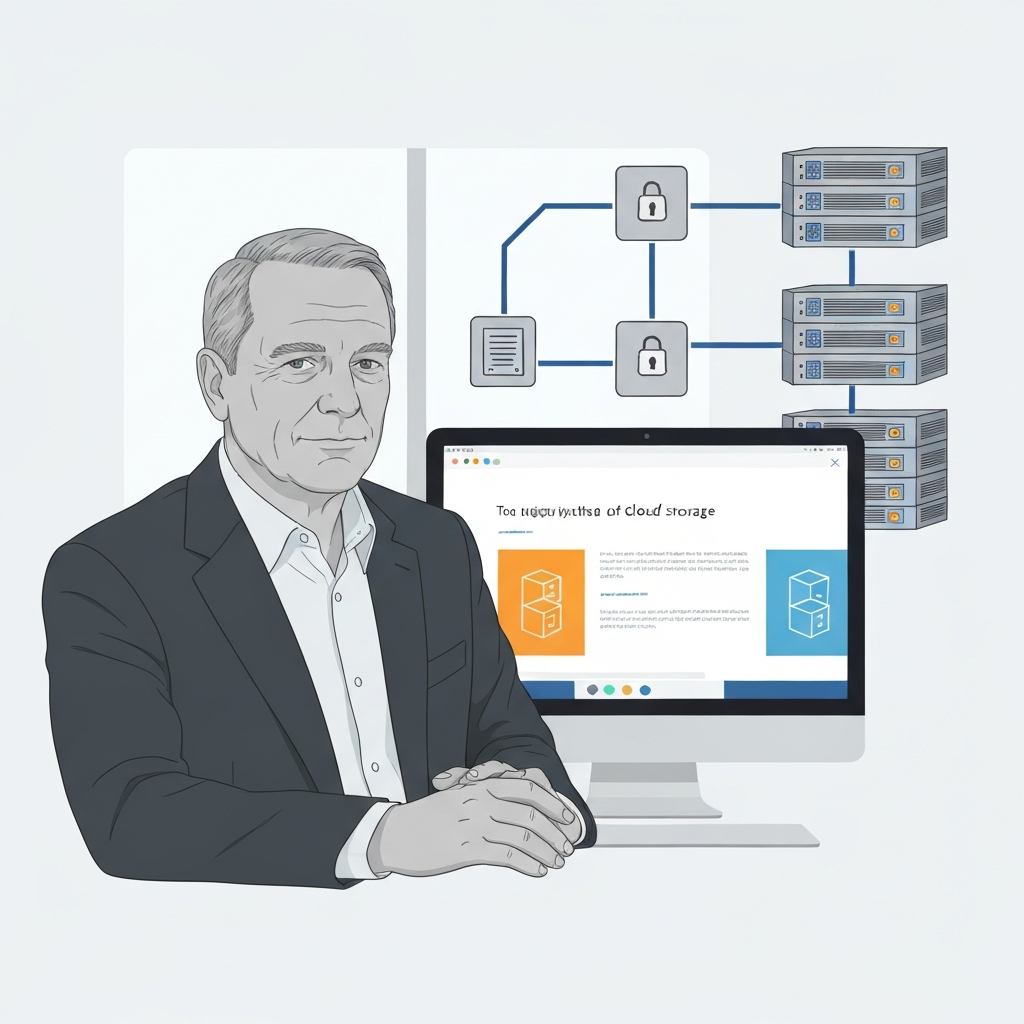
Security is paramount when choosing a cloud storage provider. Look beyond simple passwords and delve into the specific security measures each provider employs to protect your data. Understanding these features will empower you to make an informed decision about the safety of your information.
- Encryption: Ensure the provider uses strong encryption both in transit (while your data is being uploaded or downloaded) and at rest (while your data is stored on their servers). Look for AES-256 encryption or equivalent industry standards. This makes your data unreadable to unauthorized parties.
- Two-Factor Authentication (2FA): Enable 2FA for an extra layer of security. This requires a second verification method (such as a code sent to your phone) in addition to your password, making it much harder for hackers to gain access to your account. It’s an essential security measure that significantly reduces the risk of unauthorized access.
- Data Redundancy: Choose a provider that replicates your data across multiple data centers. This ensures that your data remains accessible even if one data center experiences an outage or disaster. Data redundancy is crucial for business continuity and peace of mind.
3. Navigating Pricing Models and Storage Plans
Pro Tip: Always read the fine print! Pay attention to storage limits, bandwidth limitations, and any additional fees for features like file versioning or collaboration tools.
Cloud storage providers offer a wide range of pricing models and storage plans, making it essential to carefully compare your options. Understanding the nuances of each plan will help you avoid unexpected costs and ensure you're getting the best value for your money. Many providers offer free plans with limited storage, which can be a good starting point for individuals with basic needs.
🛒 Amazon Global Deals
Shop Now: Secure Cloud Storage Buyer Guide* Associate commission may be earned.
However, for businesses and individuals with larger storage requirements, paid plans are typically necessary. These plans offer more storage, advanced features, and improved security. Consider the long-term cost of each plan and whether it aligns with your budget. Pay attention to any overage fees for exceeding your storage limits, as these can quickly add up. Many providers offer scalable plans, allowing you to upgrade or downgrade your storage capacity as needed.
Also, consider the payment frequency. Some providers offer discounts for annual subscriptions, while others offer monthly billing. Evaluate which payment option best suits your needs and financial situation. Finally, be aware of any hidden fees or limitations, such as bandwidth restrictions or limitations on the number of devices you can connect to your account. A thorough understanding of the pricing model will help you make an informed decision and avoid any unpleasant surprises.
Conclusion
Choosing the right secure cloud storage solution is a critical decision, both for individuals and businesses. By carefully assessing your needs, understanding the key security features, and navigating the complex world of pricing models, you can find a provider that meets your requirements and provides peace of mind. Remember to prioritize security, scalability, and compliance with global standards to ensure your data remains safe and accessible for years to come.
The landscape of cloud storage is constantly evolving, with new providers and features emerging regularly. Stay informed about the latest trends and technologies to ensure you're making the best possible decision. By taking a proactive approach to data security, you can protect your valuable information and enjoy the benefits of cloud storage with confidence. Consider revisiting your cloud storage needs and provider every year to ensure it still aligns with your data requirements and security standards.
❓ Frequently Asked Questions (FAQ)
What is the most important factor to consider when choosing a cloud storage provider?
While many factors are important, security should be the top priority. Look for providers that offer strong encryption, two-factor authentication, and data redundancy. Understanding how the provider protects your data from unauthorized access and data loss is crucial for ensuring the safety and integrity of your information. Ignoring security features can lead to data breaches and significant financial losses.
How much storage space do I really need?
This depends entirely on your individual or business needs. Start by estimating the current amount of data you need to store and then factor in future growth. Consider the types of files you'll be storing – photos, videos, and large documents will require more space than simple text files. It's generally a good idea to overestimate slightly to avoid running out of storage prematurely. Many providers offer scalable plans that allow you to upgrade your storage capacity as needed, offering flexibility as your data needs evolve.
What are the key differences between free and paid cloud storage plans?
Free cloud storage plans typically offer limited storage space and fewer features compared to paid plans. They often come with restrictions on file size, bandwidth, and the number of devices you can connect. Paid plans, on the other hand, offer more storage, advanced security features, and better customer support. They often include features like file versioning, collaboration tools, and priority bandwidth. Free plans are suitable for basic storage needs, while paid plans are better suited for businesses and individuals with larger storage requirements and more demanding security needs.
Tags: #CloudStorage #DataSecurity #Cybersecurity #DataBackup #CloudComputing #Privacy #TechGuide
🛒 Amazon Global Deals
Shop Now: Secure Cloud Storage Buyer Guide* Associate commission may be earned.
⚠️ LEGAL DISCLAIMER
For Informational Purposes Only: All content provided by GGG PICK is for general informational purposes only. This content is not intended to serve as a substitute for official professional advice, technical diagnosis, or legal counsel.
Disclaimer of Warranty: While we strive to maintain the currency and accuracy of information, we do not guarantee the completeness, reliability, or real-time accuracy of the provided data. Any decisions and actions taken based on the information from this website are solely at the user's own risk.
Note: Always consult with a certified professional before making significant business or technical decisions. GGG PICK shall not be held liable for any direct or indirect loss or damage resulting from the use of this website.